Explore Demonstration Areas
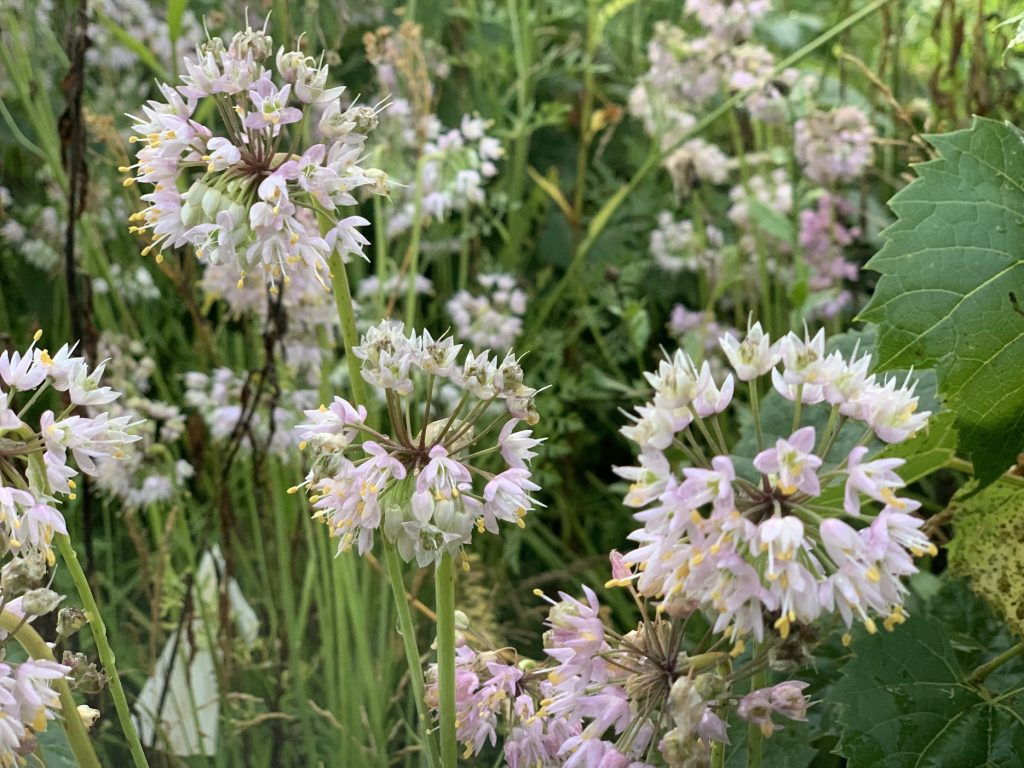
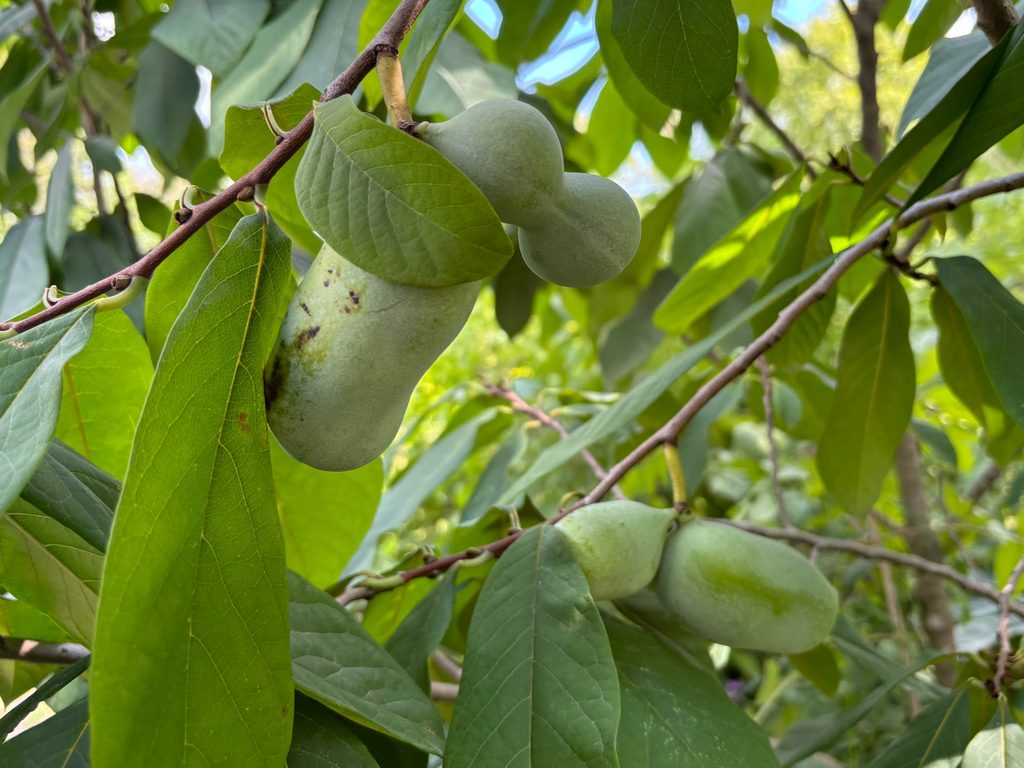
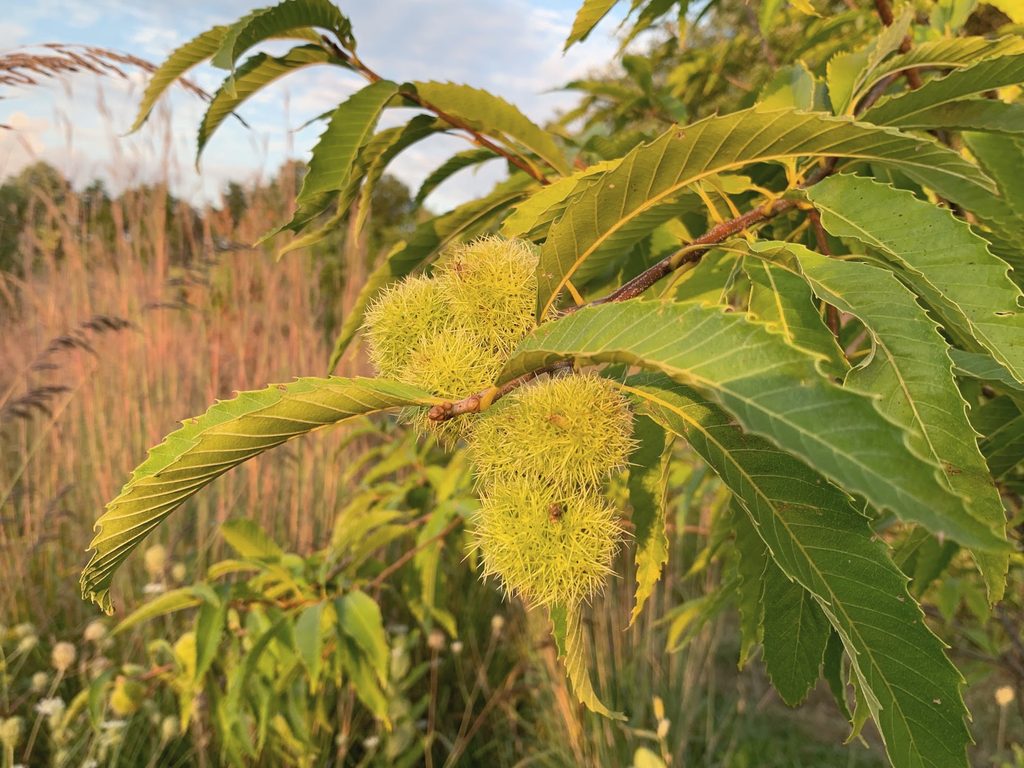
The Friends of Greenview/Pioneer created demonstration areas and planted native trees to support pollinators, showcase food plants, and highlight species like chestnuts and oaks.
Pollinator Garden
Click here to view Pollinator Garden plant list
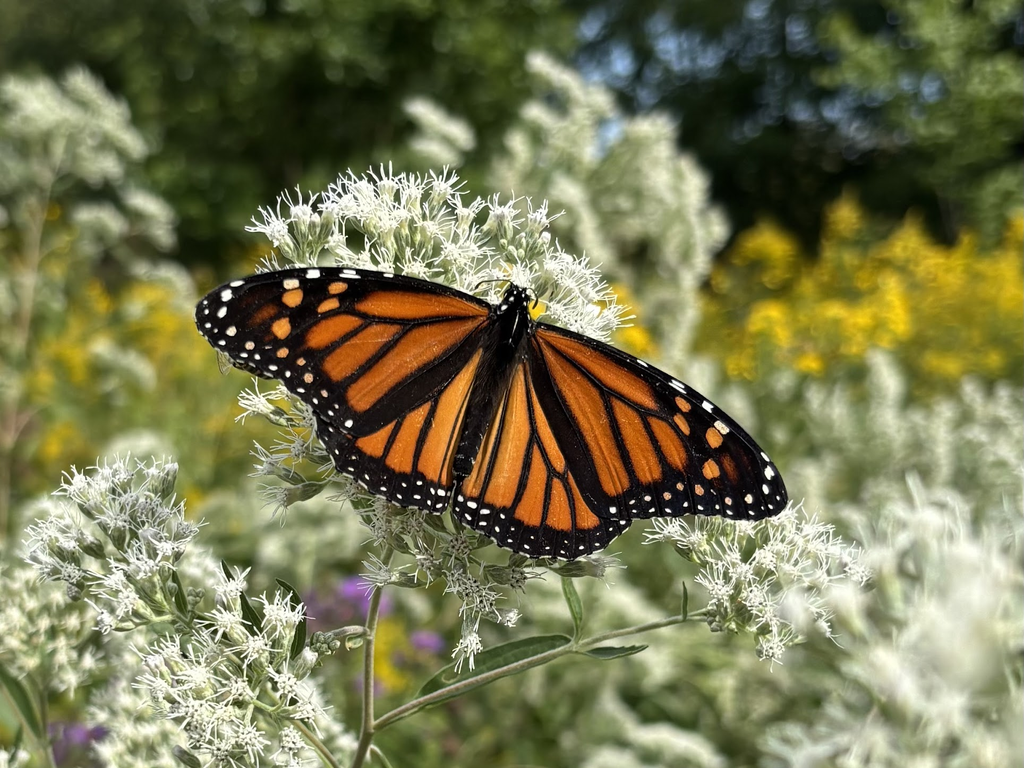

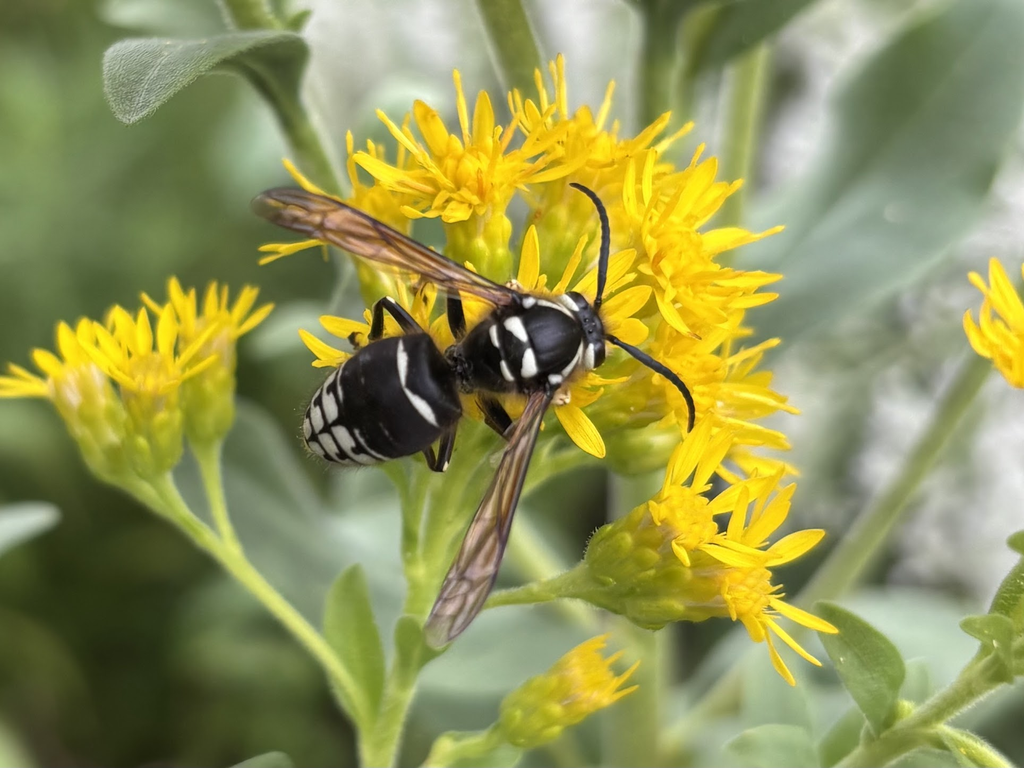
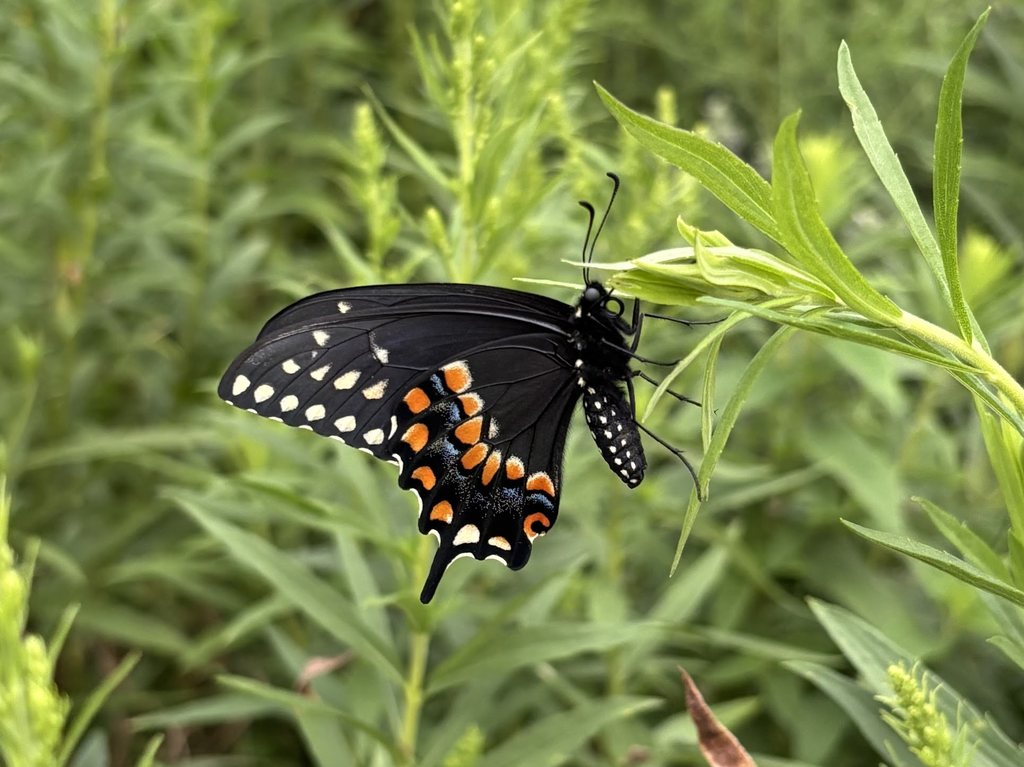
Pollinators support the ecosystems that many animals rely on for food and shelter. They also enable reproduction in most flowering plants and many food crops. Native pollinators like bees, butterflies, and wasps are increasingly threatened by habitat loss.
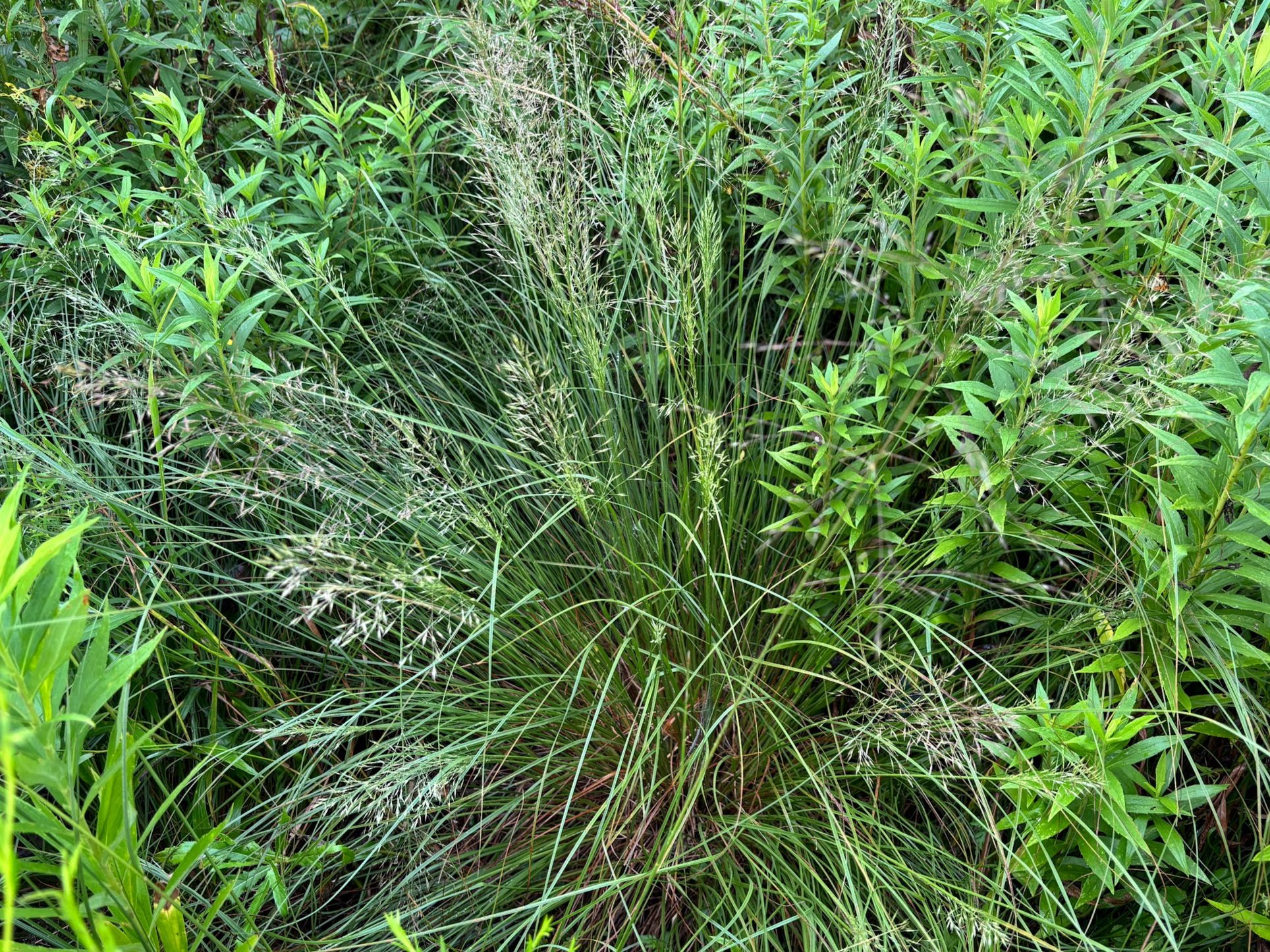
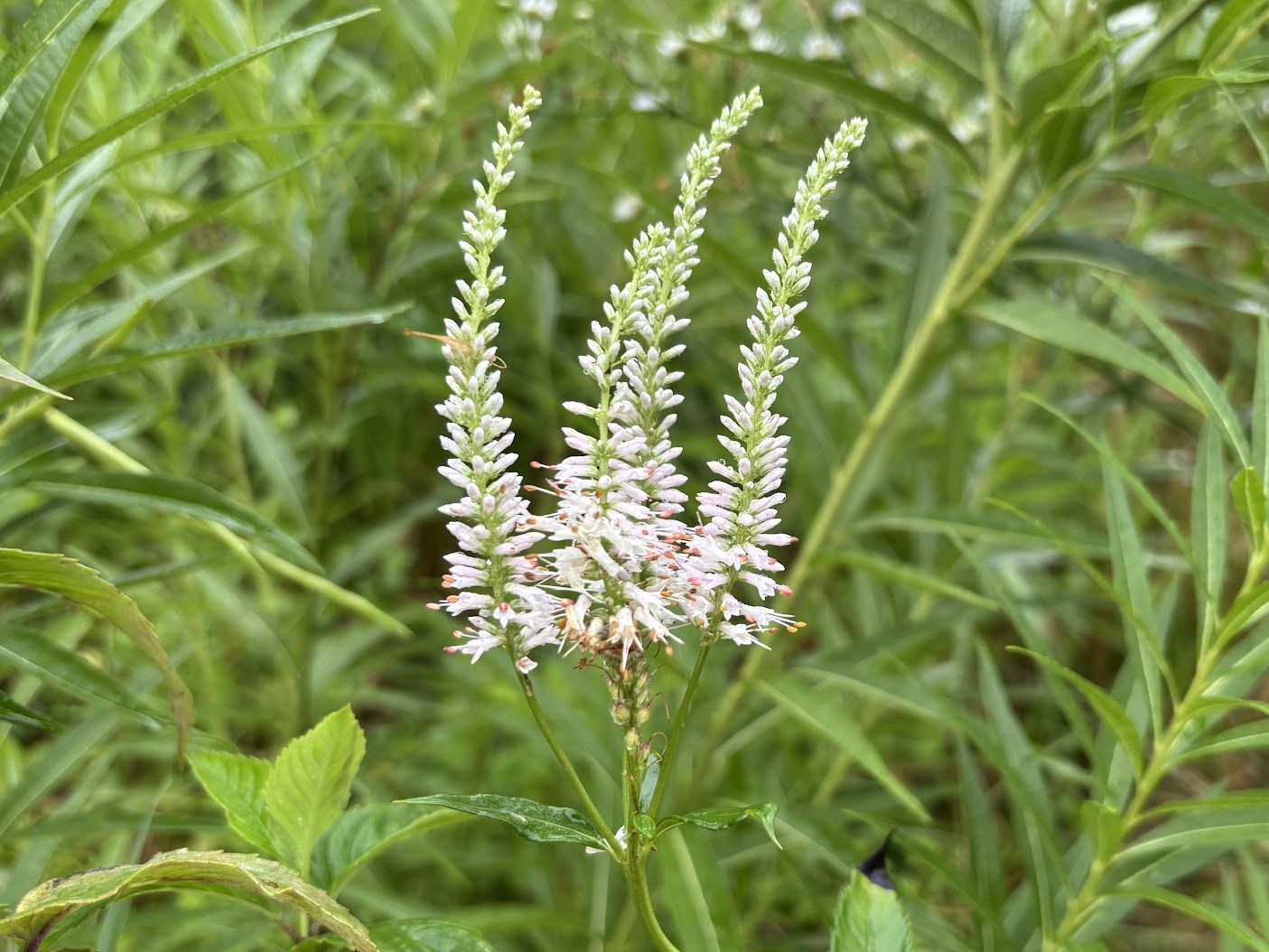
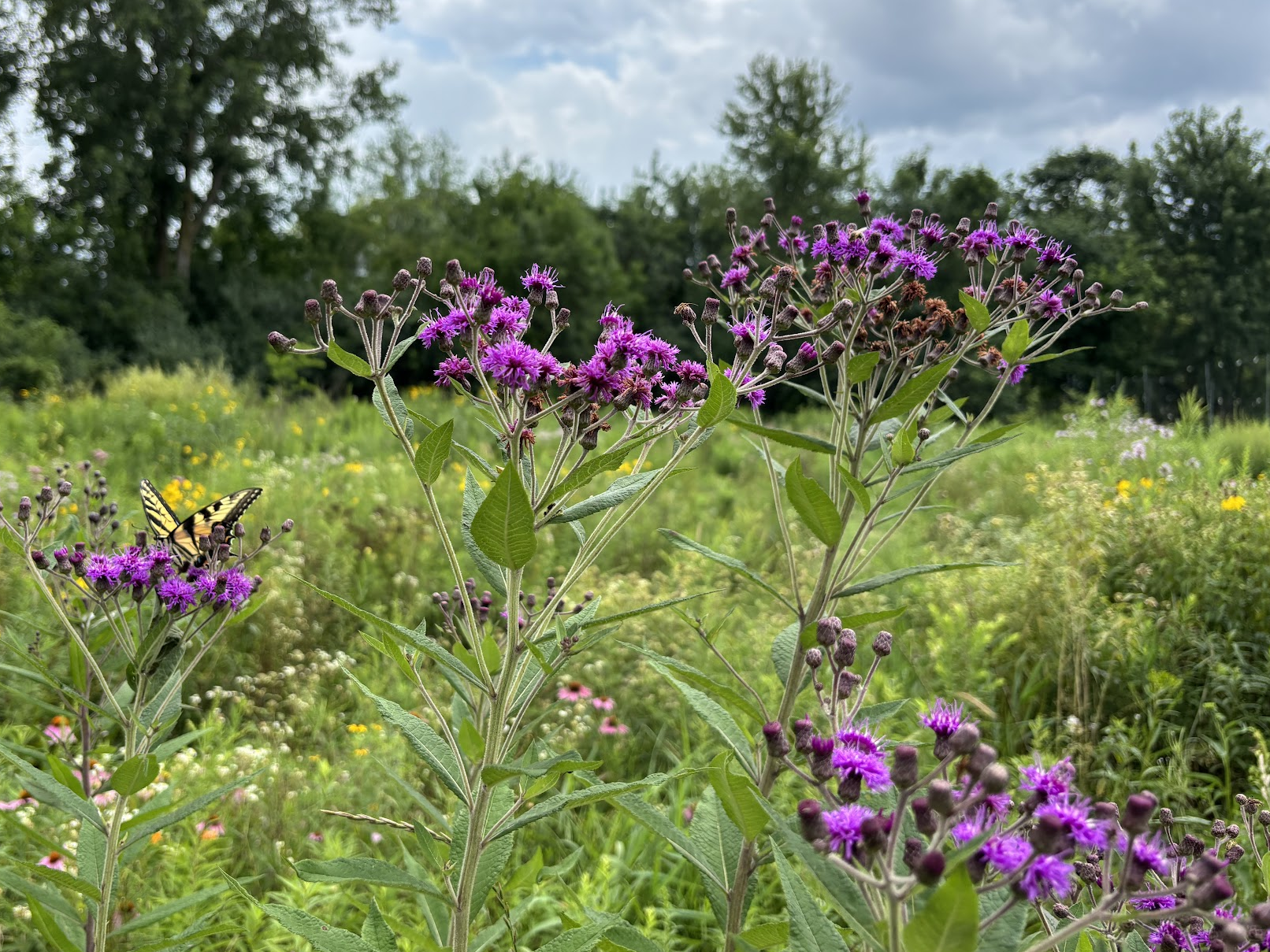
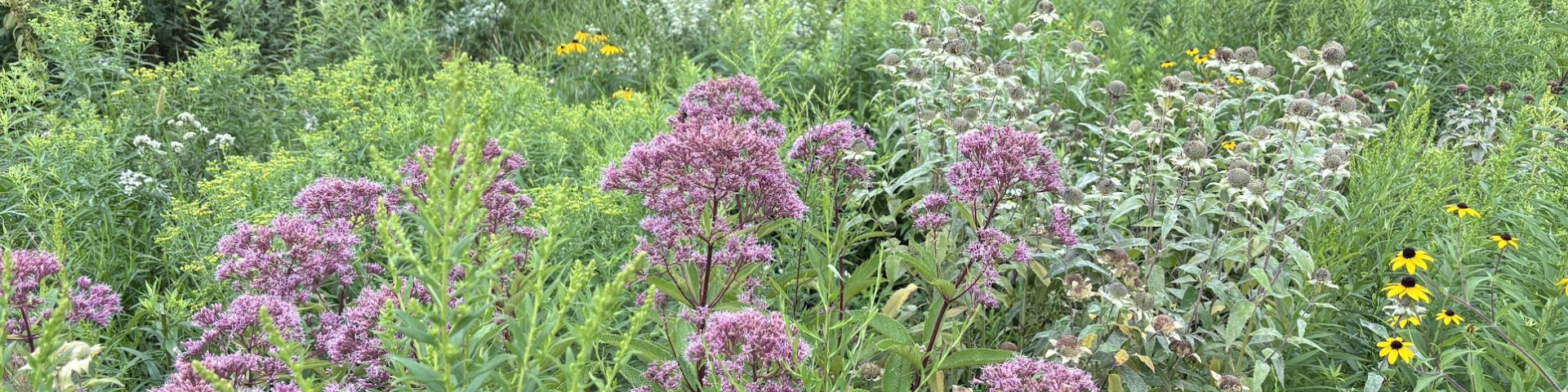
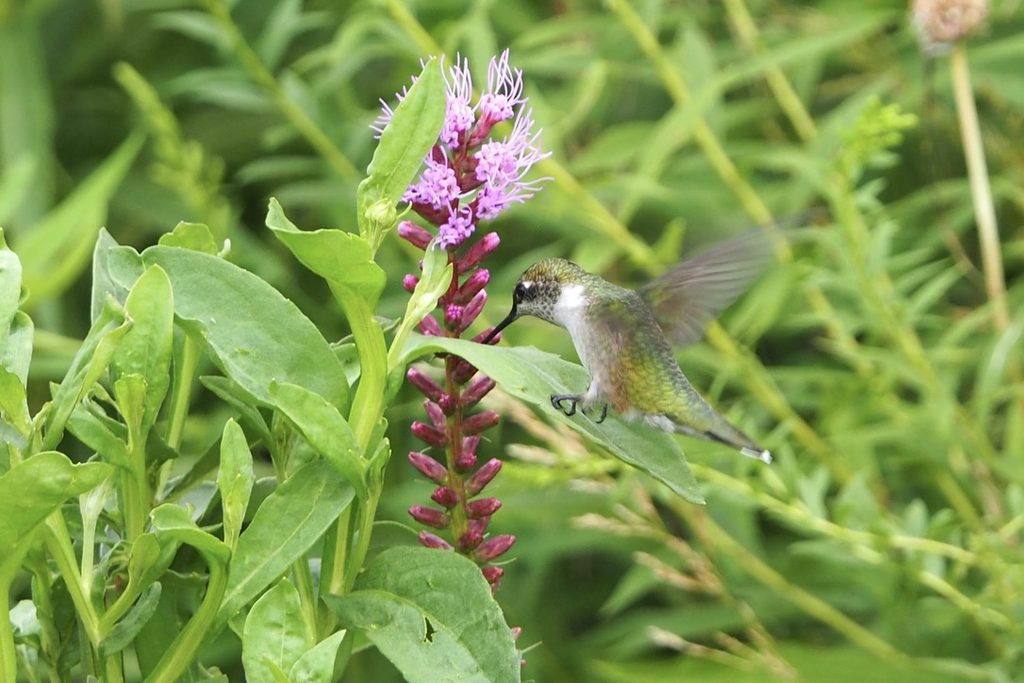
The Greenview Pollinator Garden, east of the Project Grow site, supports these species. Native wildflowers, grasses, and shrubs provide habitat and host plants for native pollinators and other wildlife.
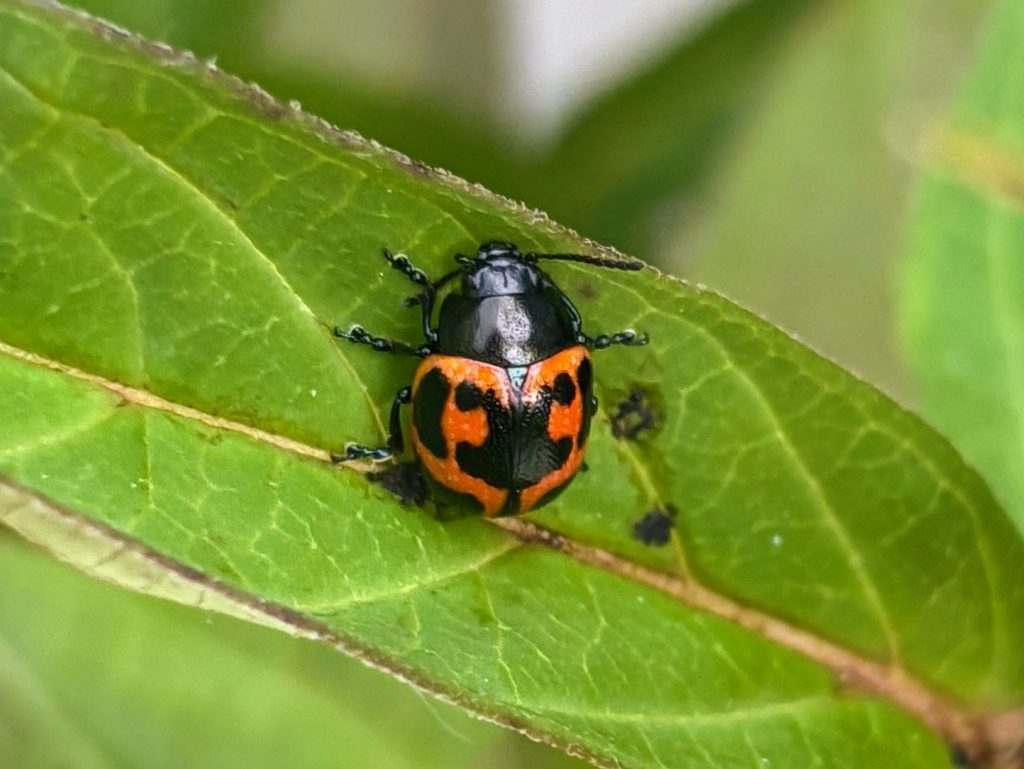
Garden Creation and Stewardship
The Greenview Pollinator Garden is an ongoing project. Each year, Friends of Greenview adds native wildflowers, grasses, and shrubs, expanding the collection and developing stewardship approaches for a sustainable native landscape. Volunteers help with weeding, planting, watering, and maintaining paths.

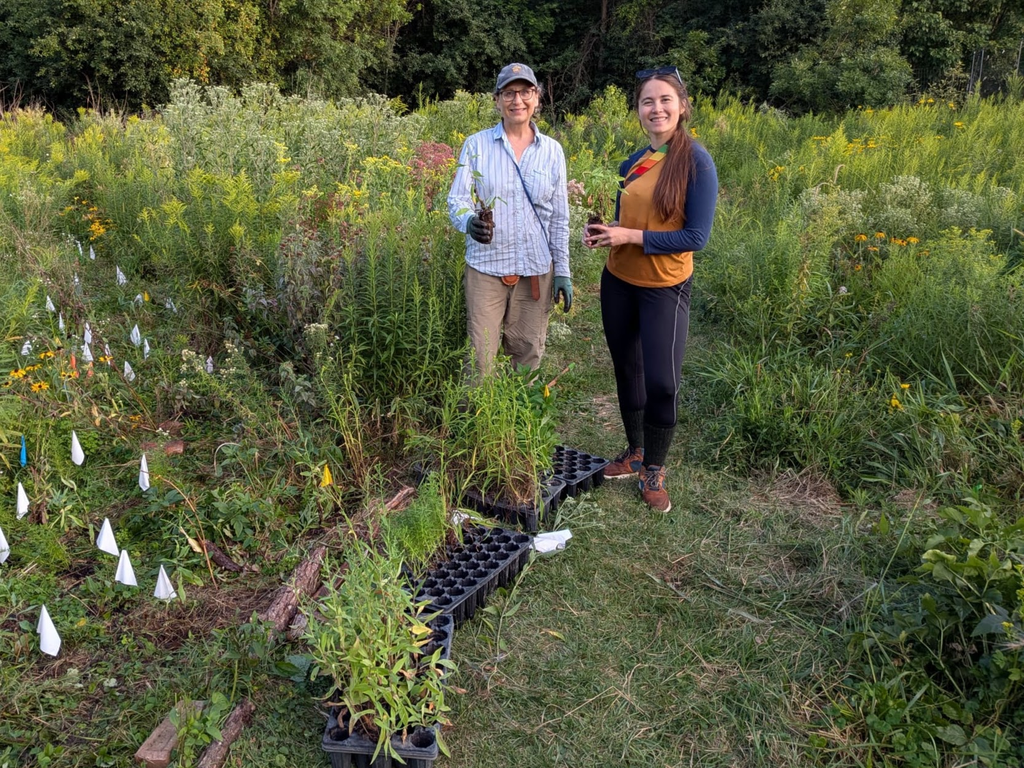


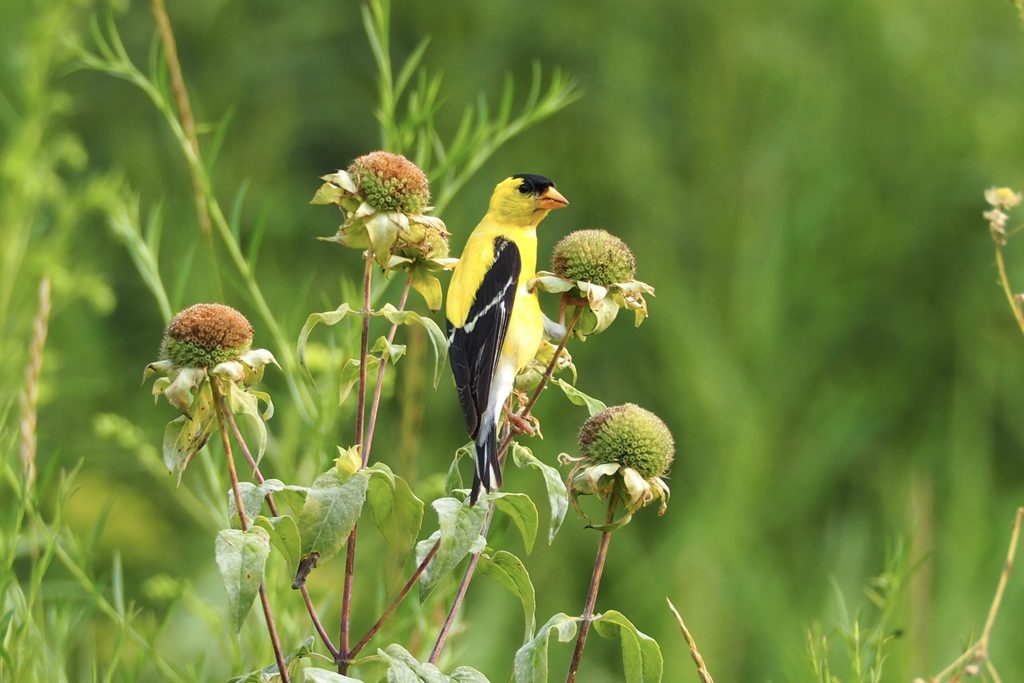
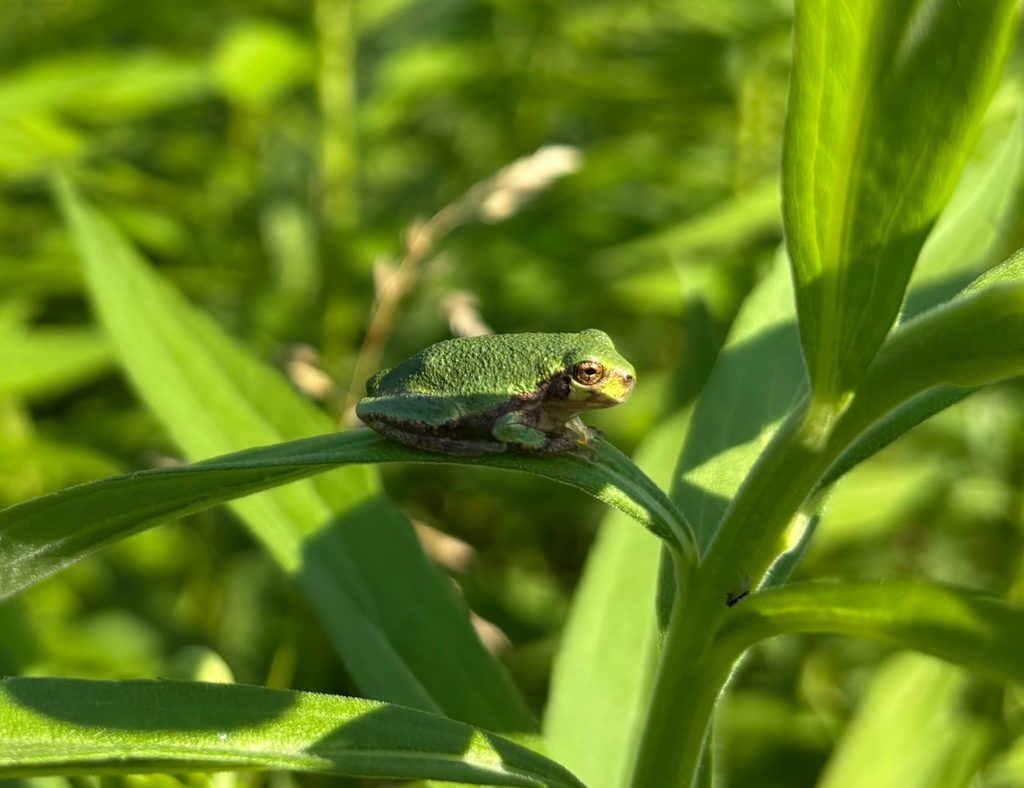
The effort began in 2022, when Friends of Greenview created a ¼-acre plot and prepared it using environmentally friendly methods. Since then, hundreds of native plugs and shrubs have been planted. Wildflowers take years to mature. As they do, the garden becomes more spectacular, with more butterflies and other insects, frogs, and many birds.


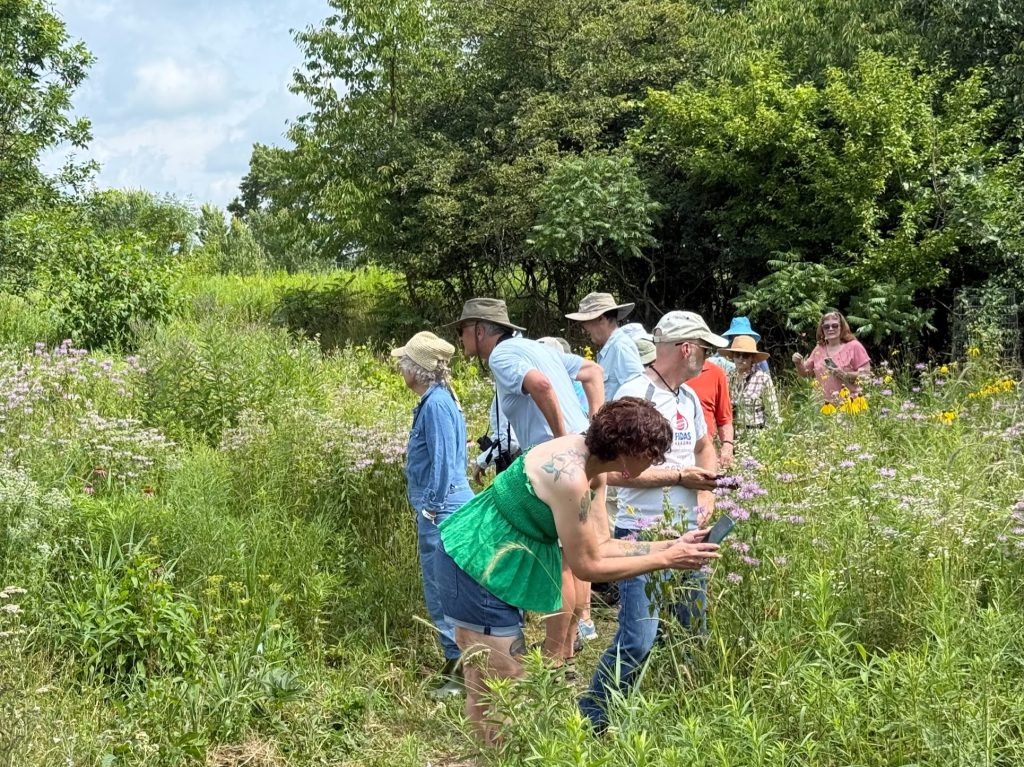
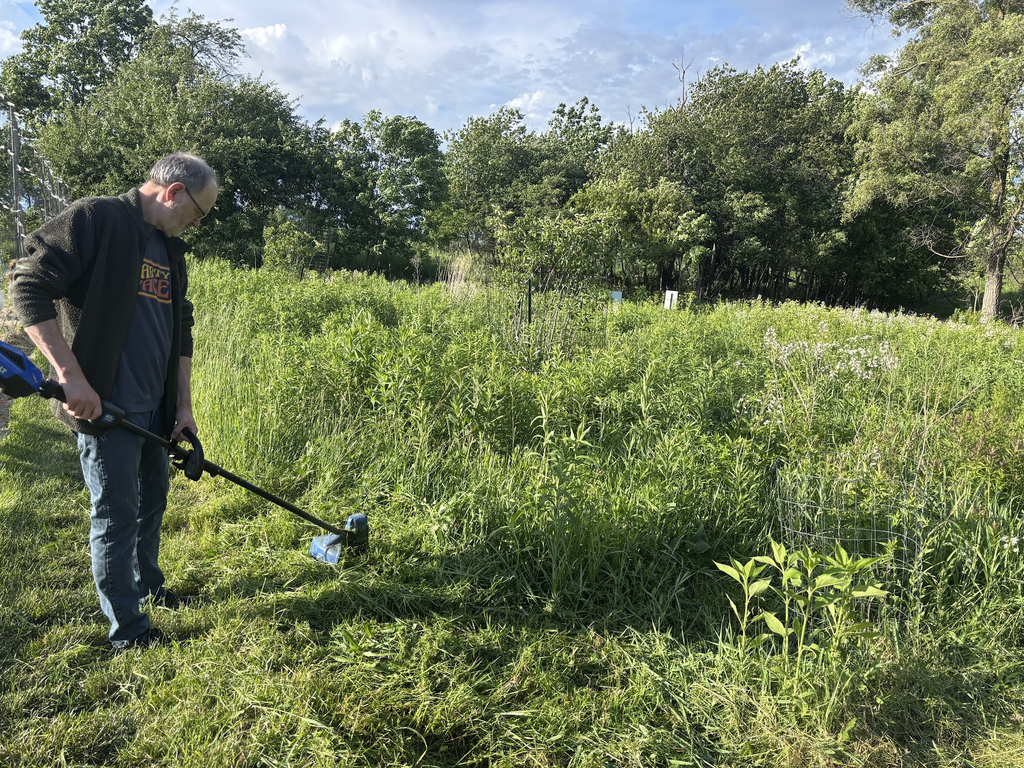
The garden hosts events such as the Butterfly and Wildflower Tour, the Greenview Social other pollinator counts. It offers a peaceful space for neighbors to observe pollinators and admire wildflowers, and it inspires people to plant natives in their own gardens.
The Pollinator Garden: A Season by Season Look
The Pollinator Garden offers something beautiful in every season. From early spring through late fall, vibrant blooms attract pollinators and visitors alike and offer a chance to learn about native plants.
May and June
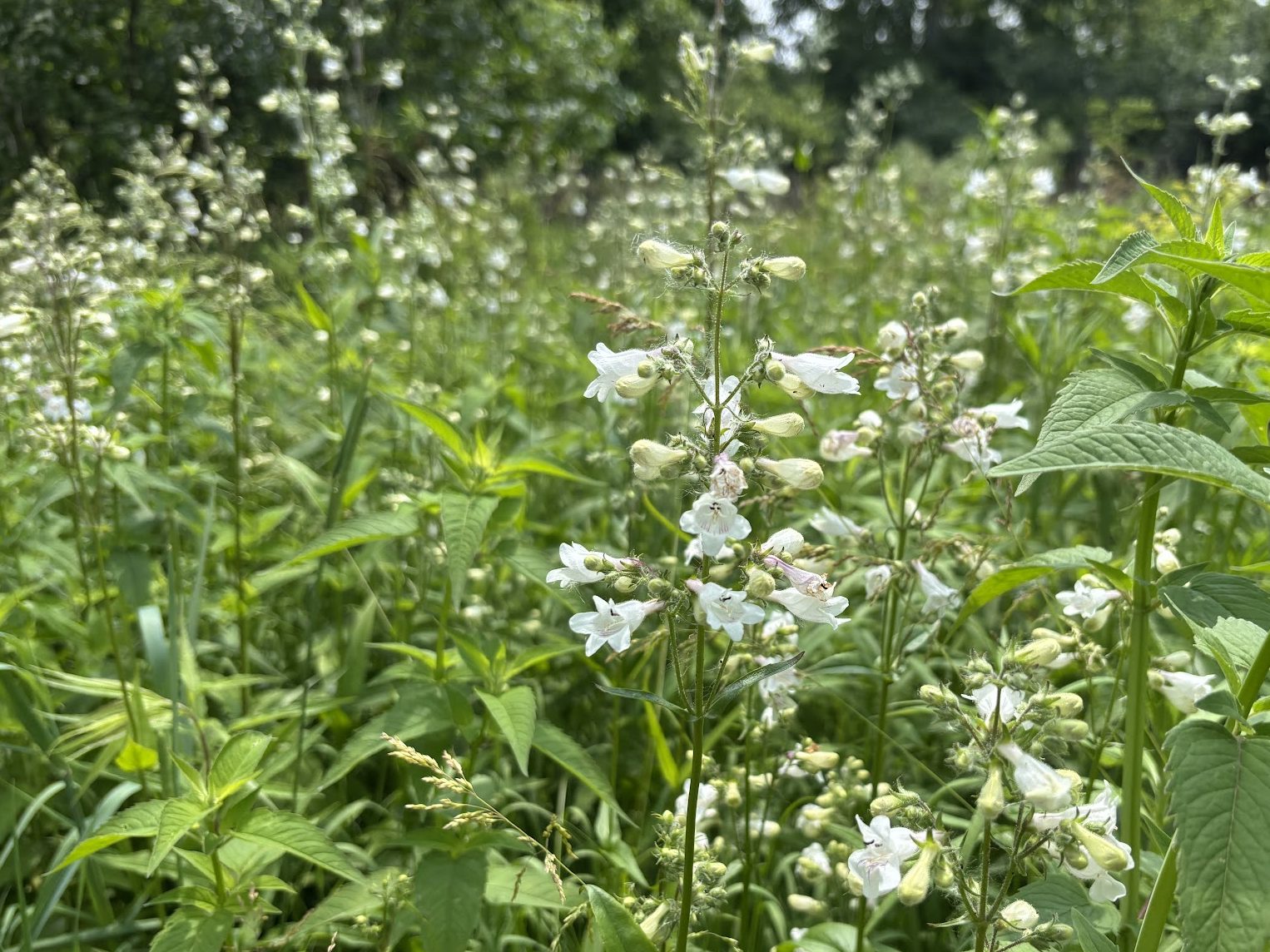
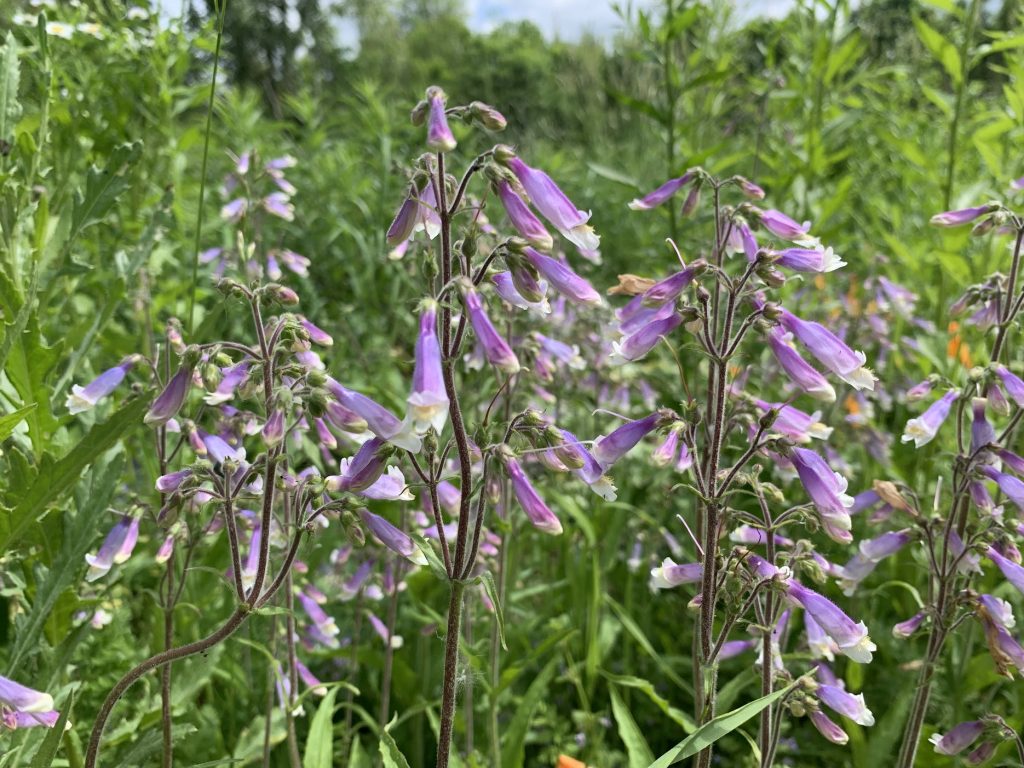
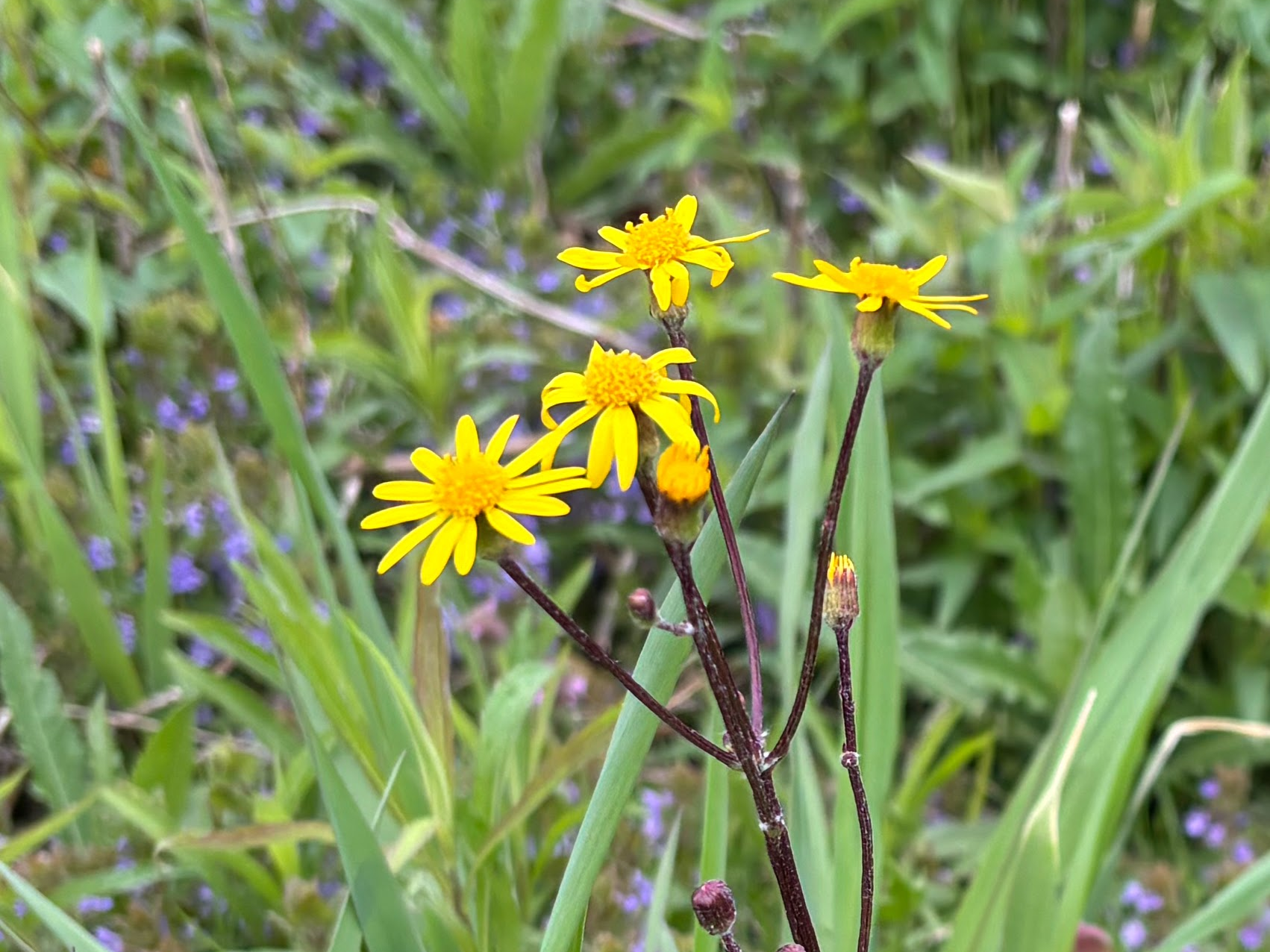
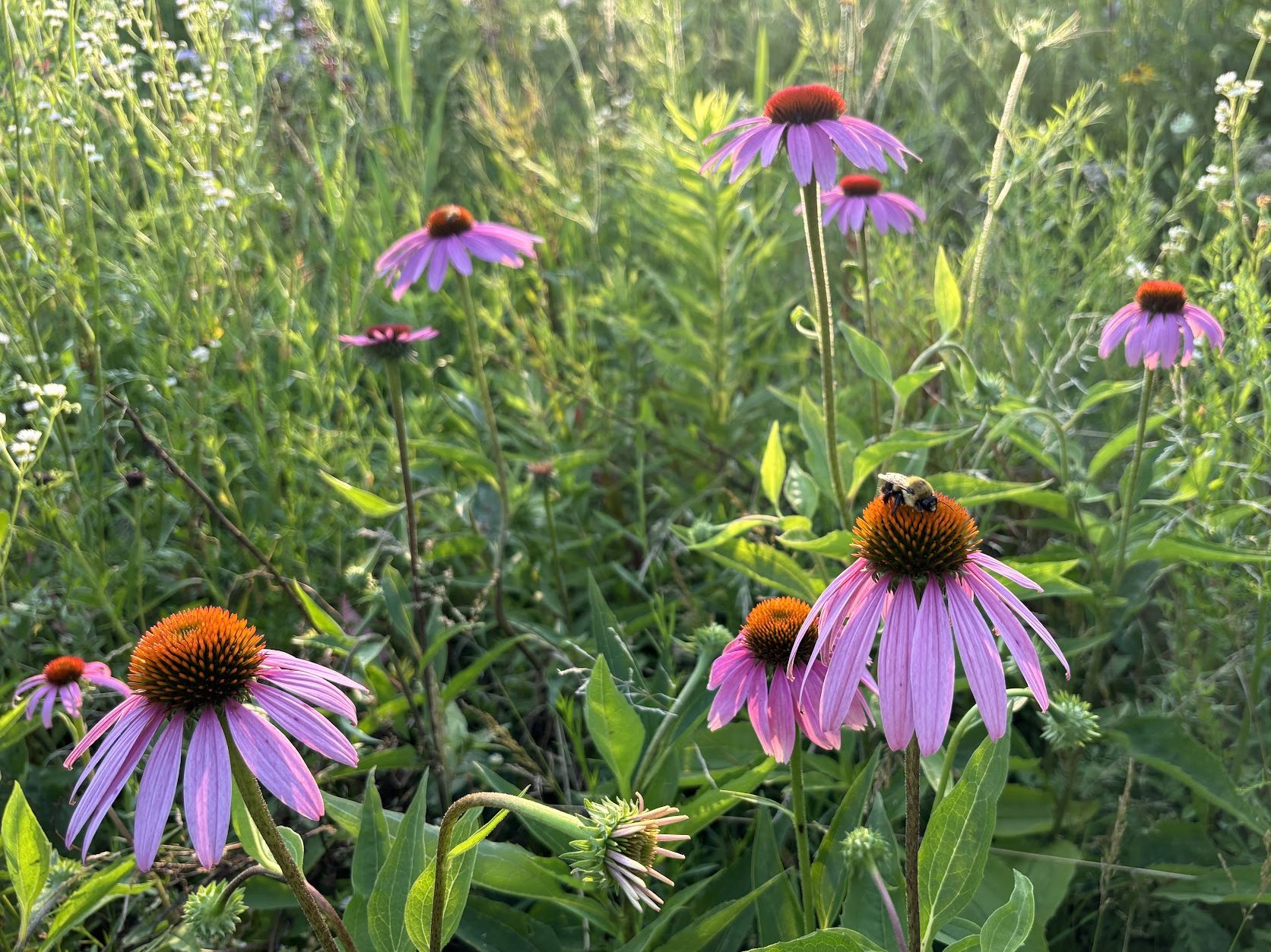
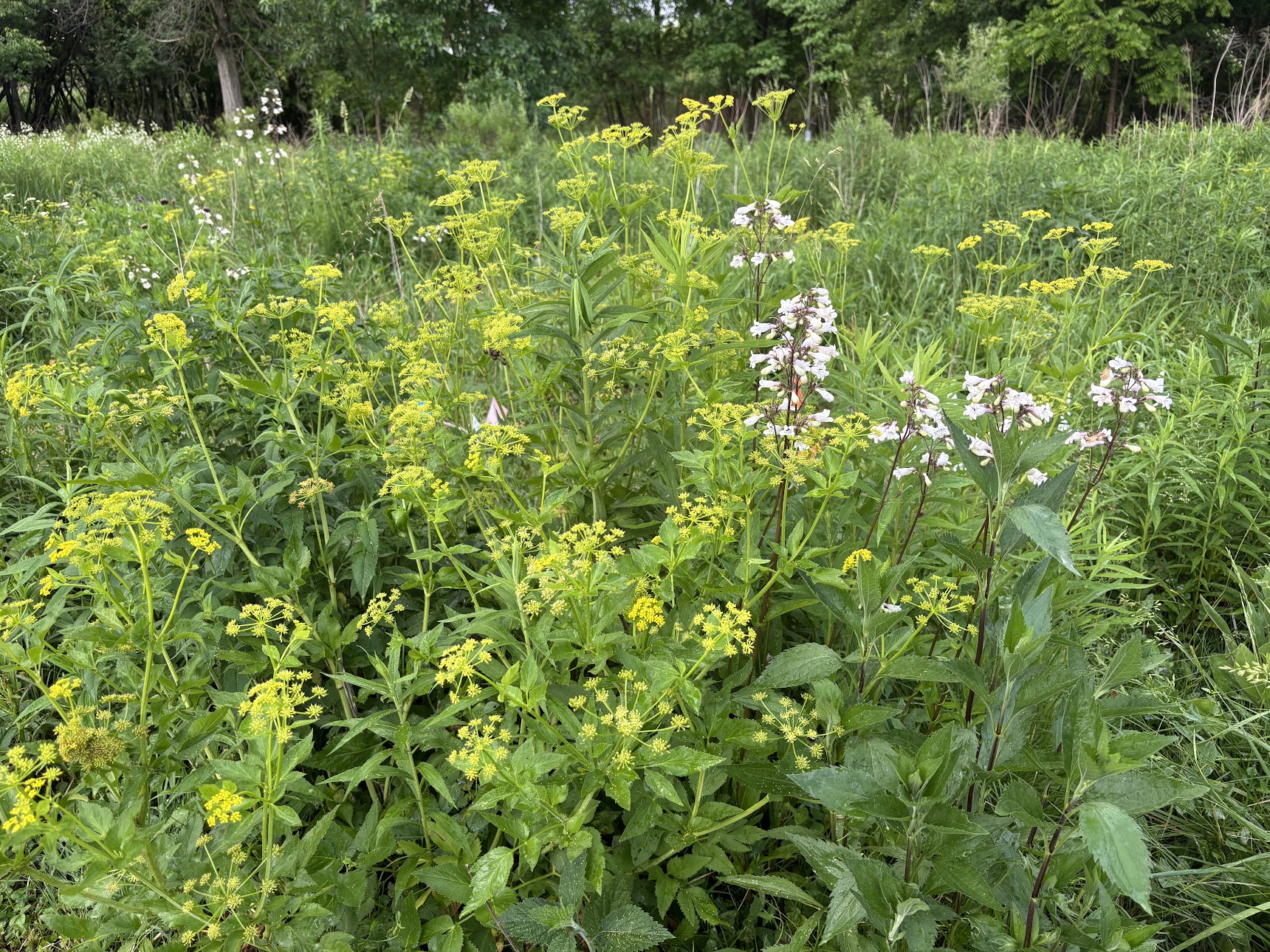
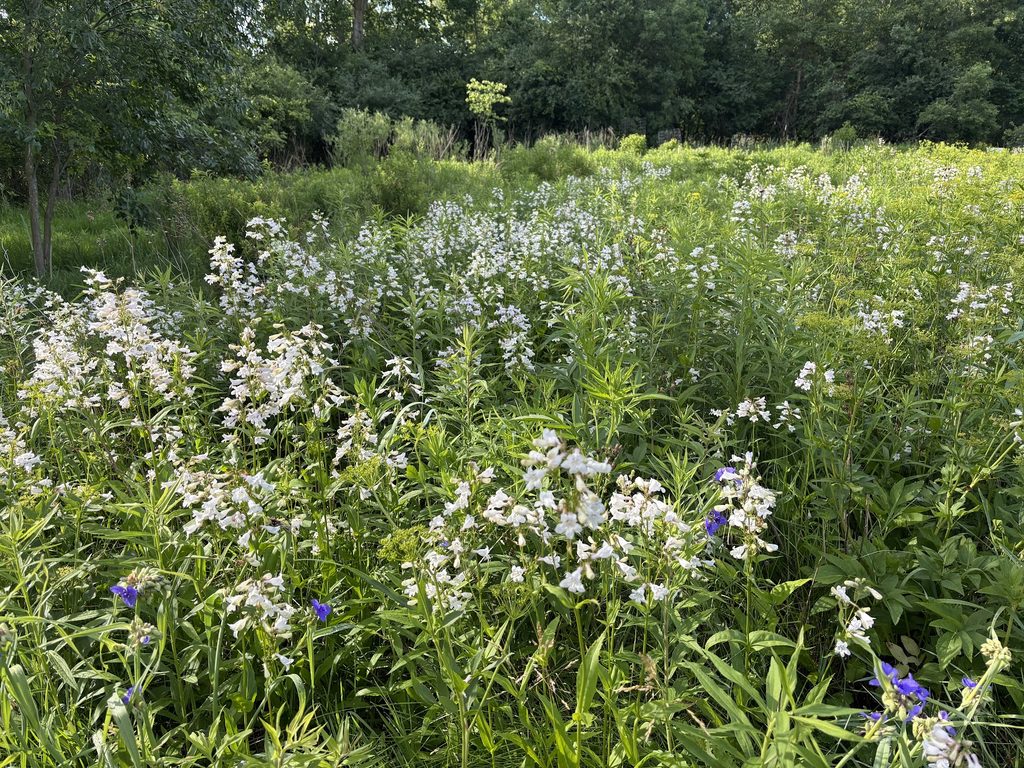
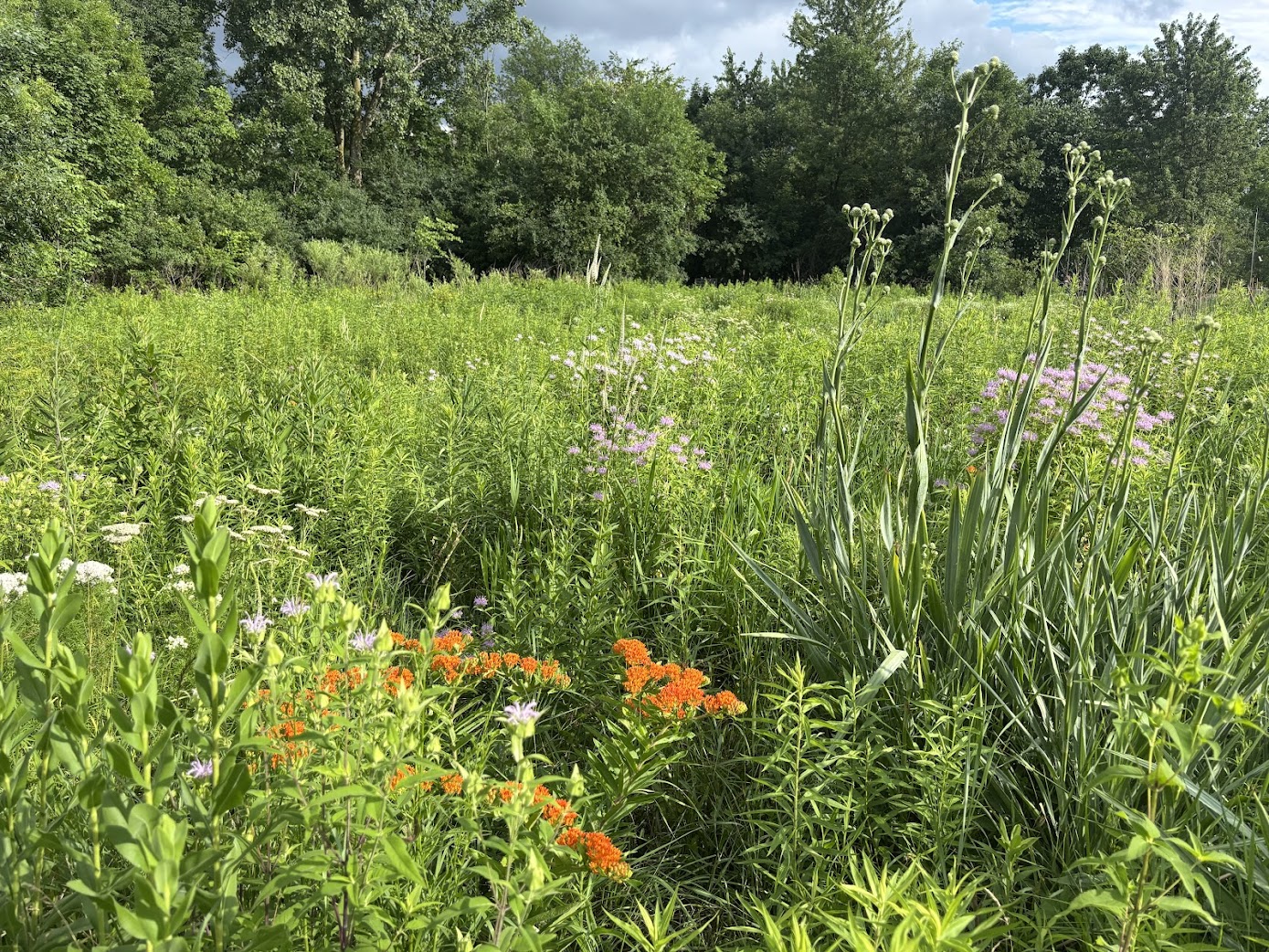
The garden slowly fills with color as early summer wildflowers open, including golden alexanders, yarrow, foxglove, and spiderwort. Bergamot, purple coneflower, and butterfly weed are just beginning to bloom.
July
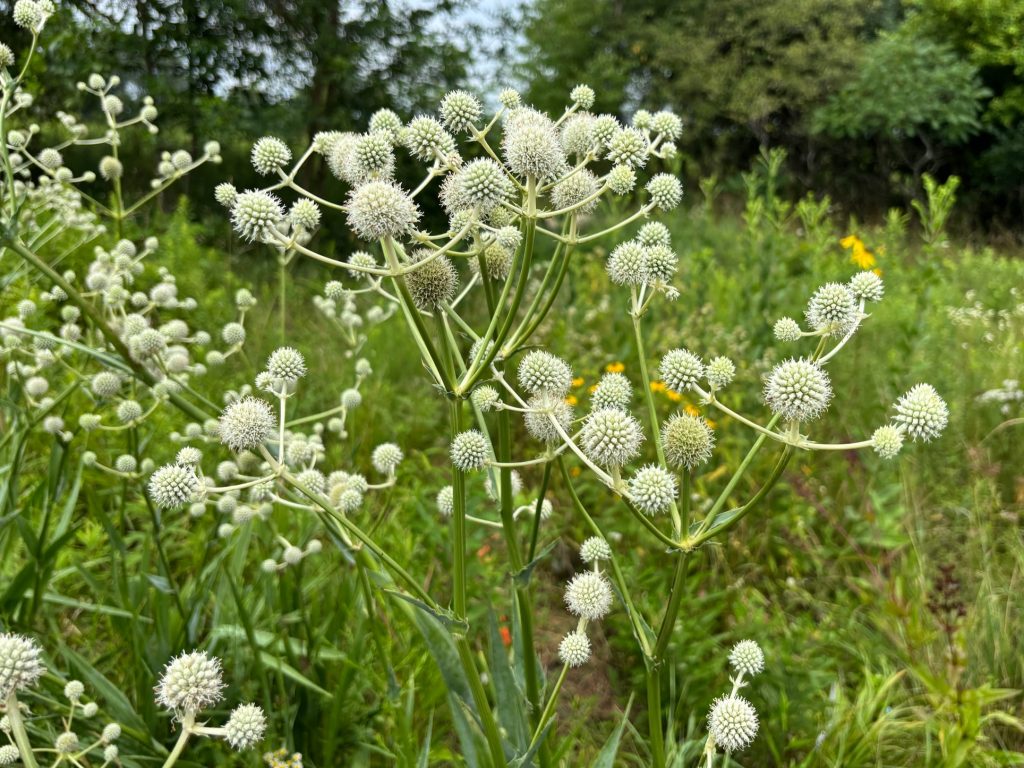
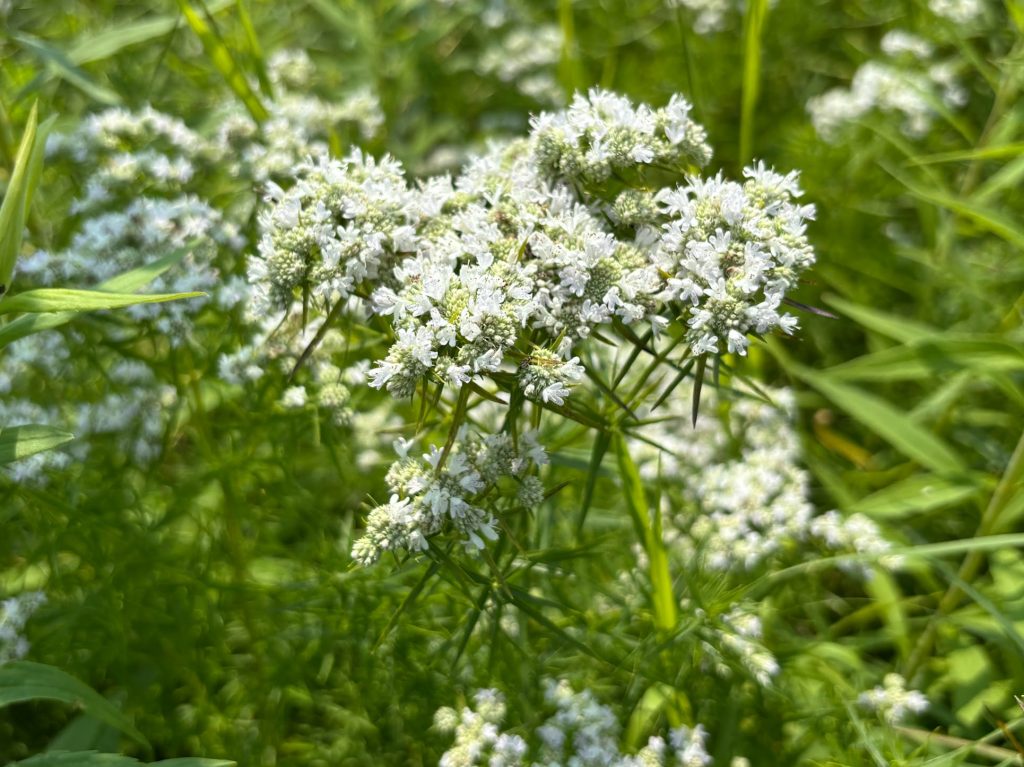
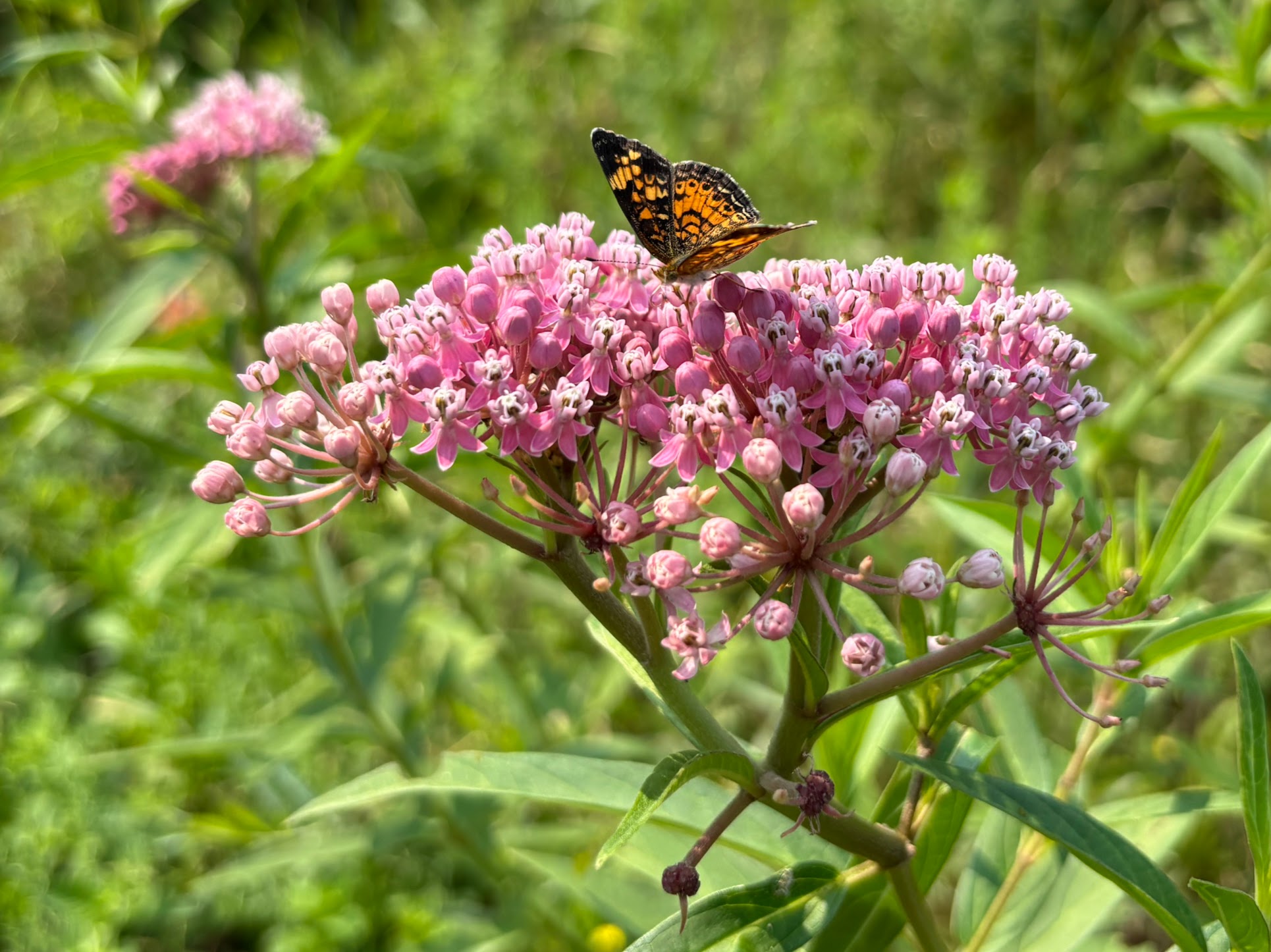
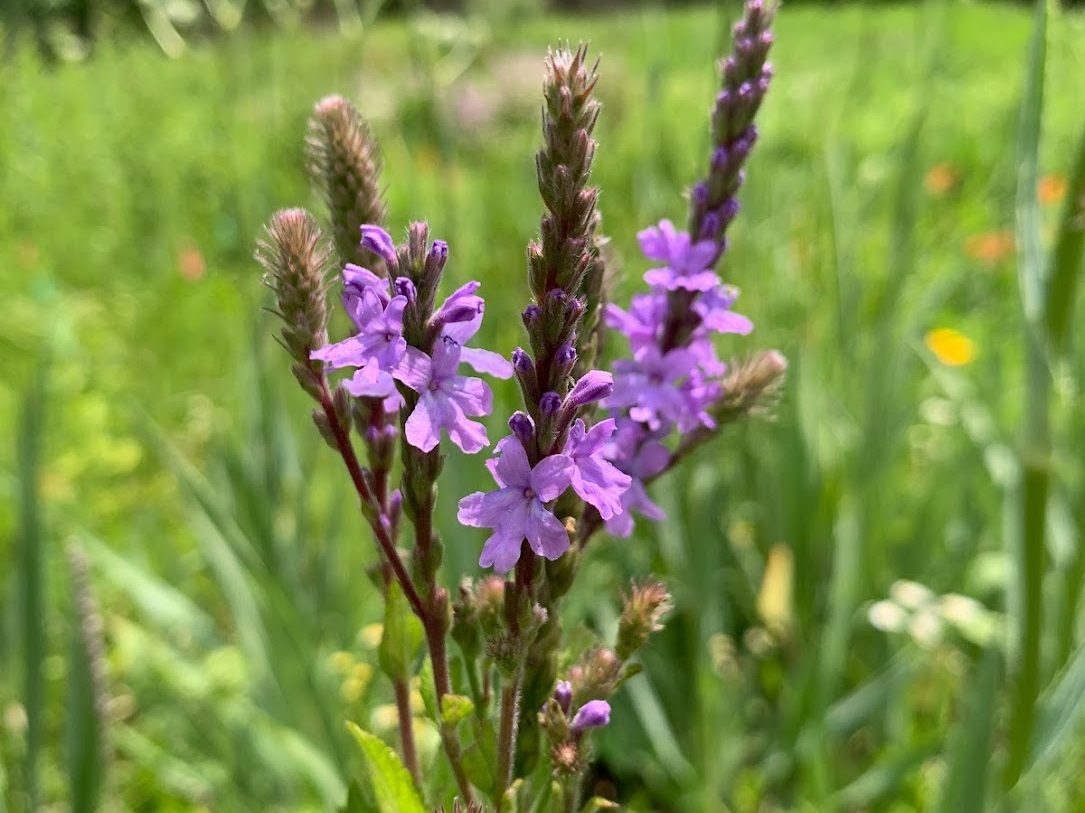
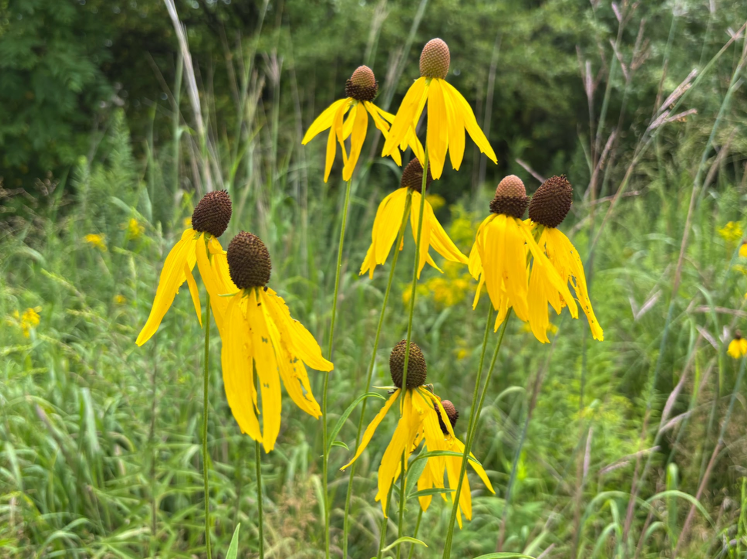
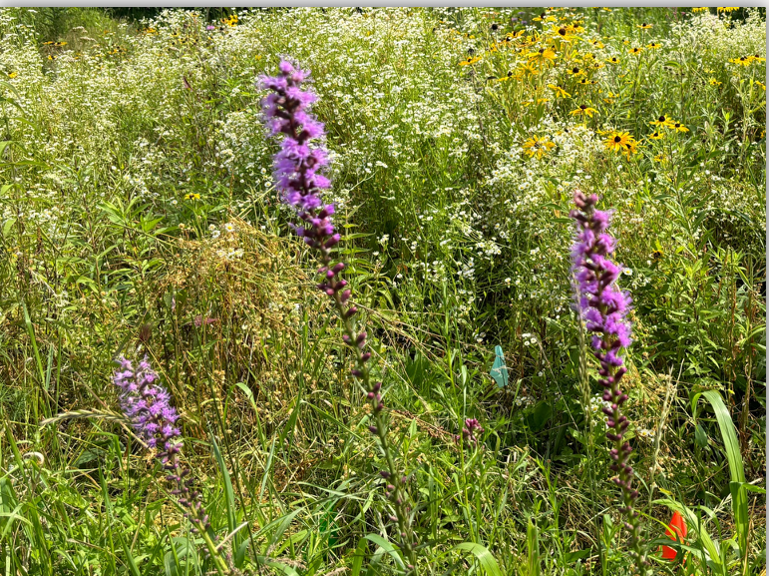
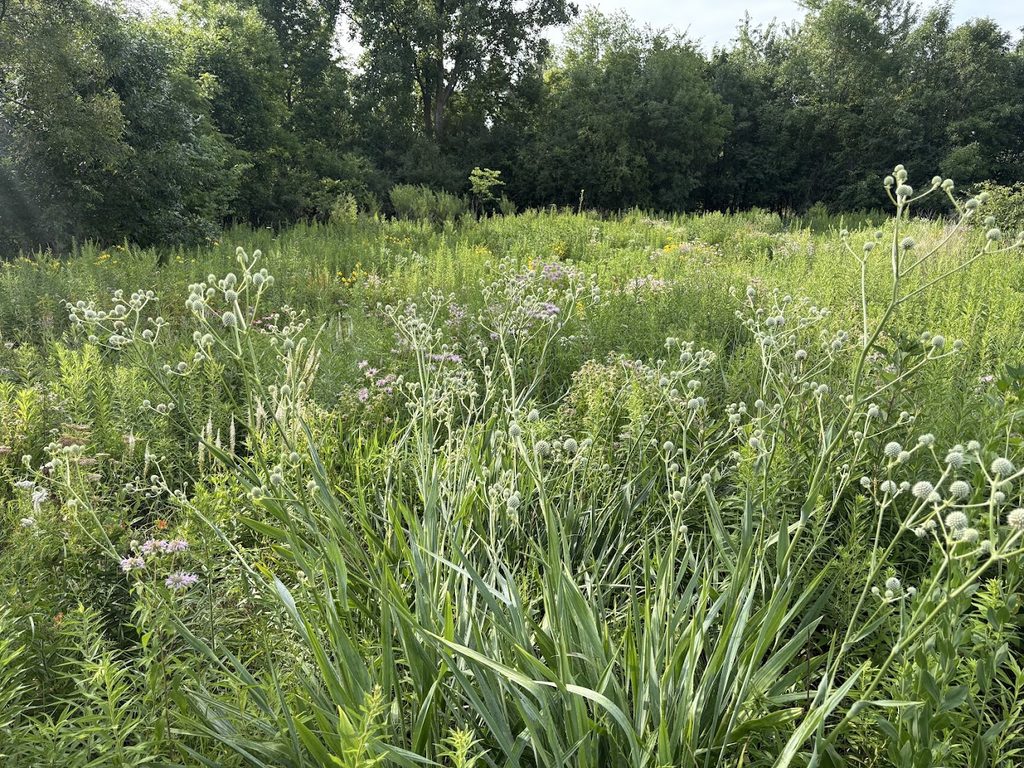
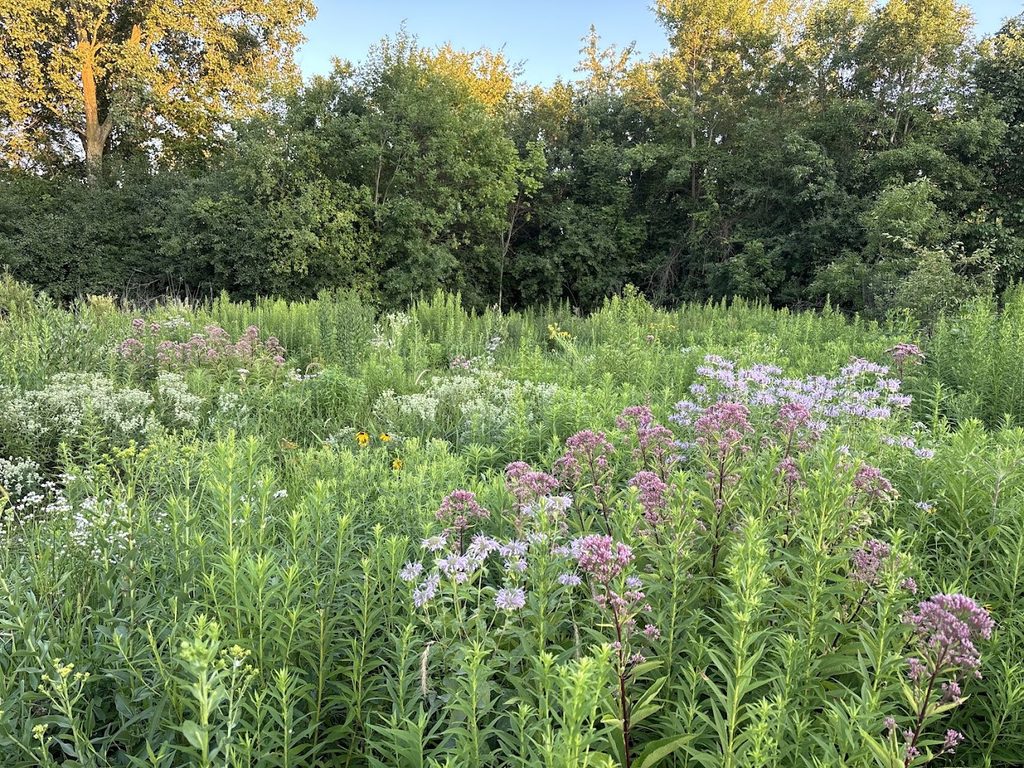
Summer heat brings a burst of bloom. Milkweeds, ironweed, yellow coneflower, mountain mints, and rattlesnake-master all come into flower.
August
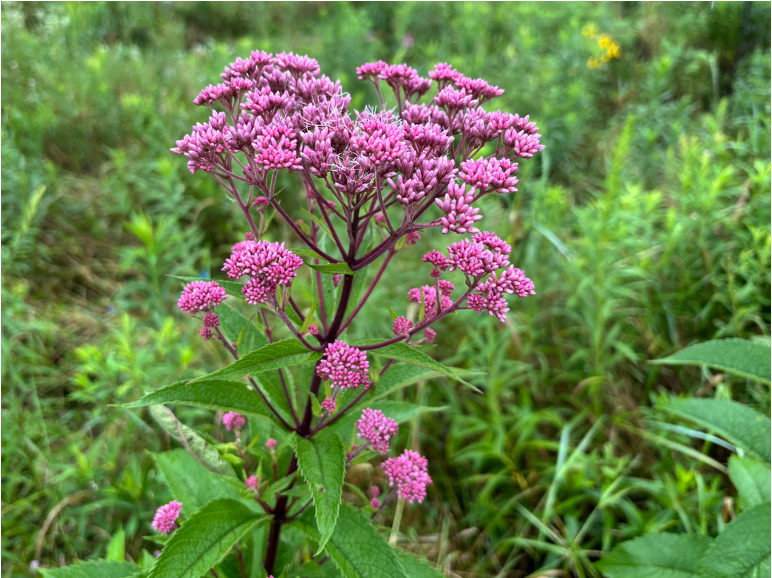
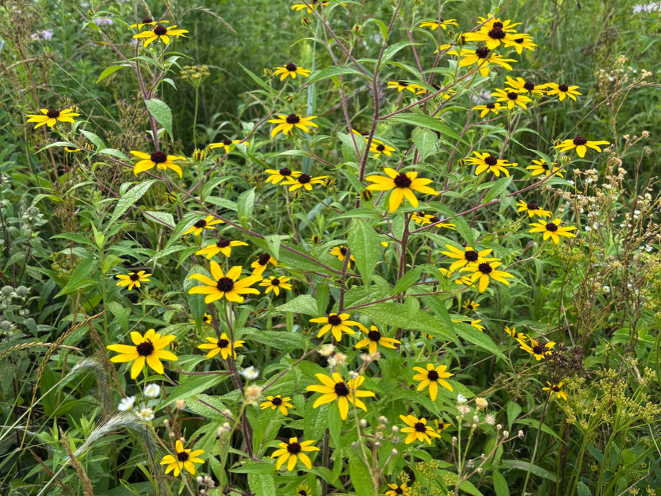
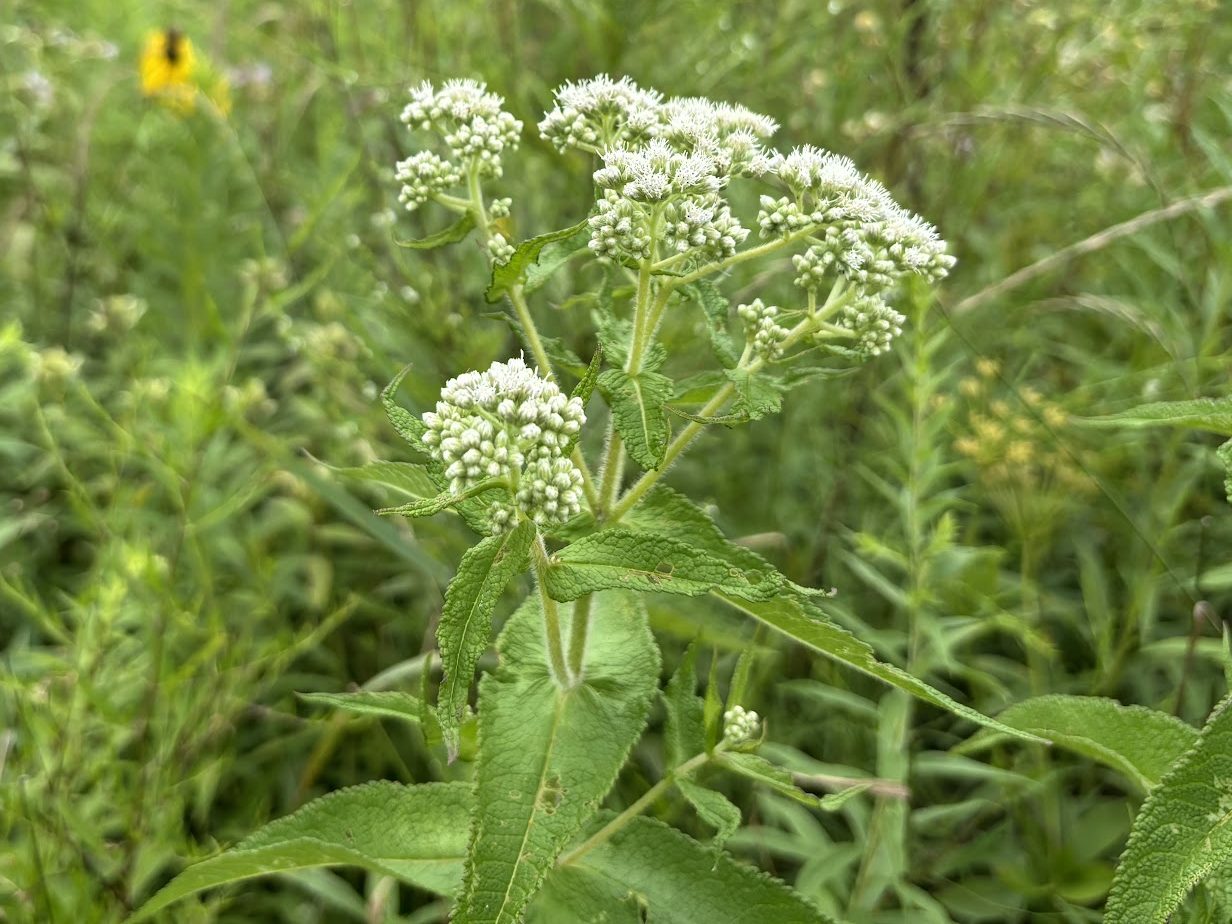
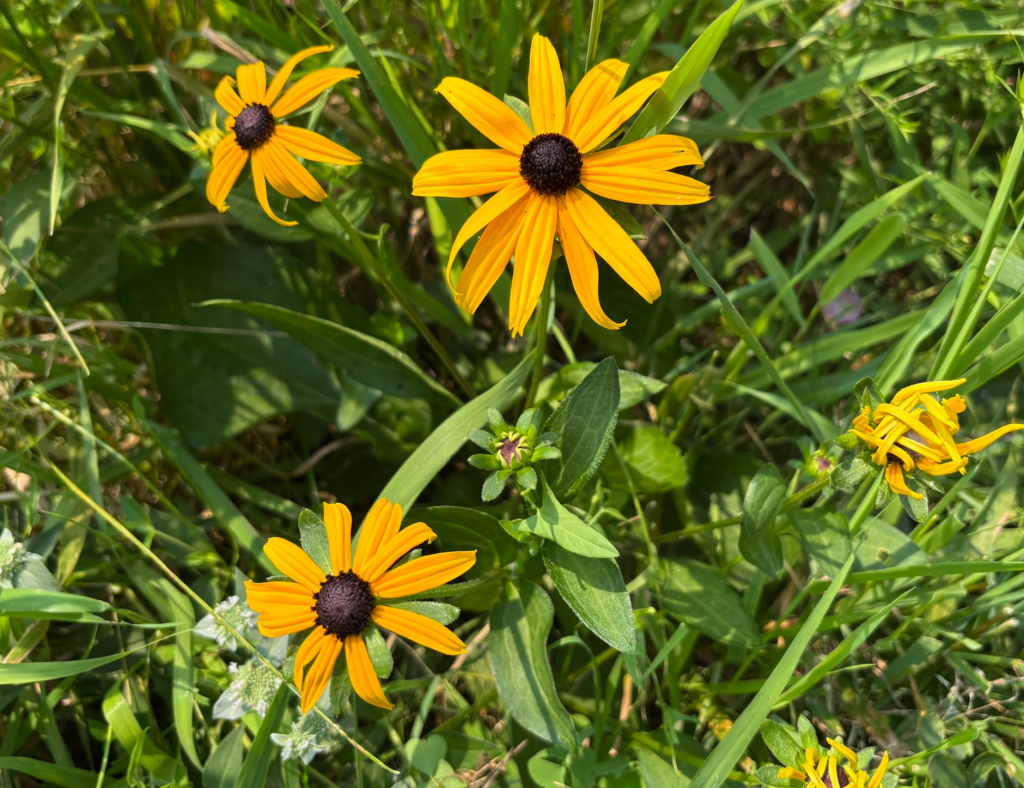
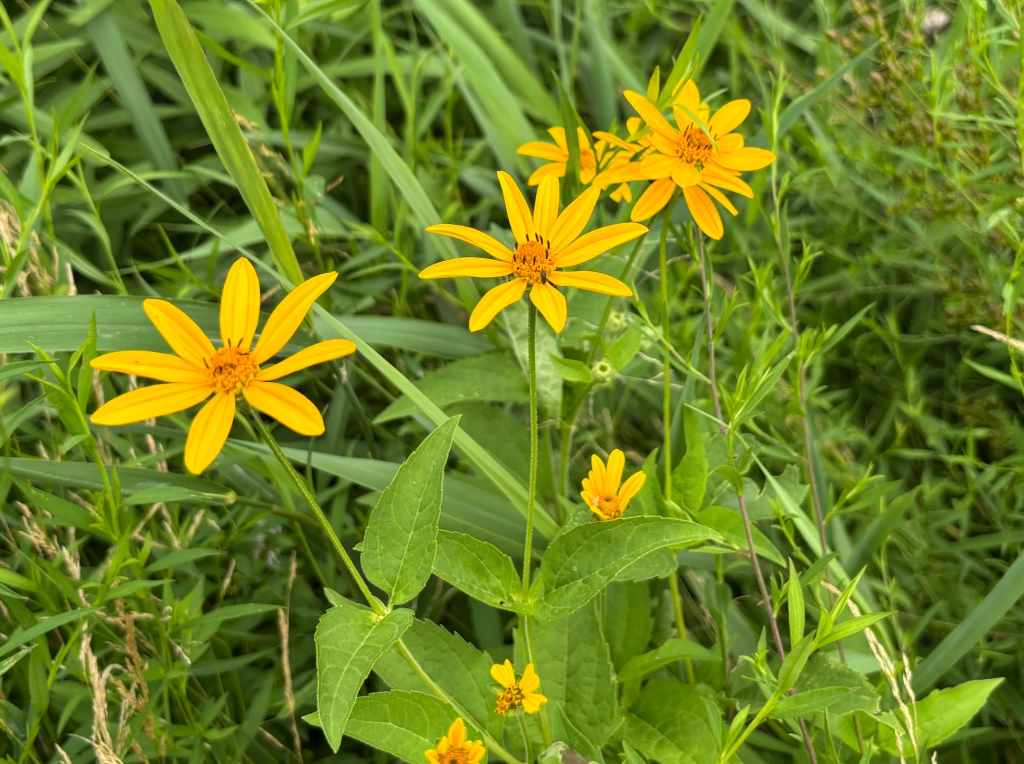
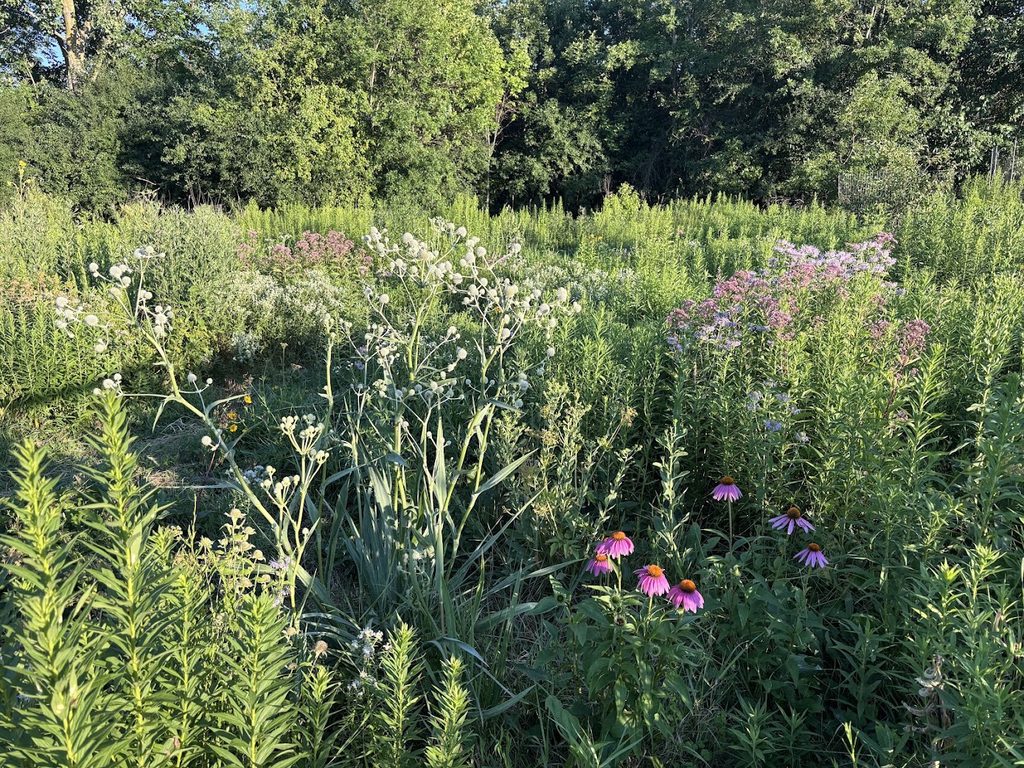
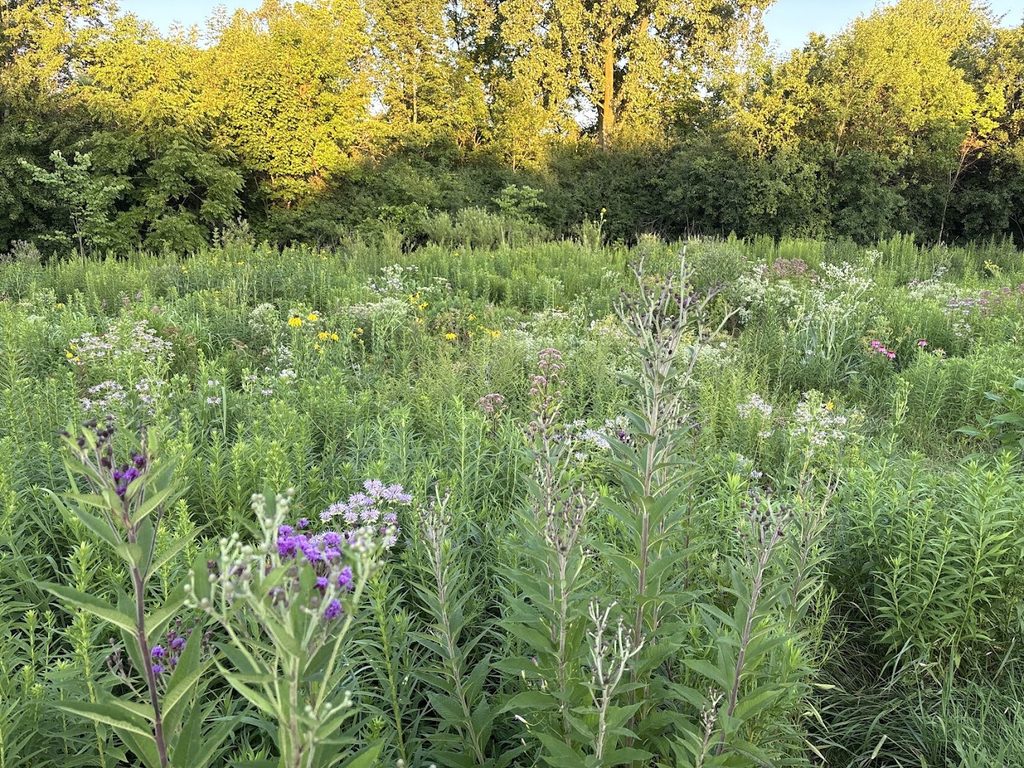
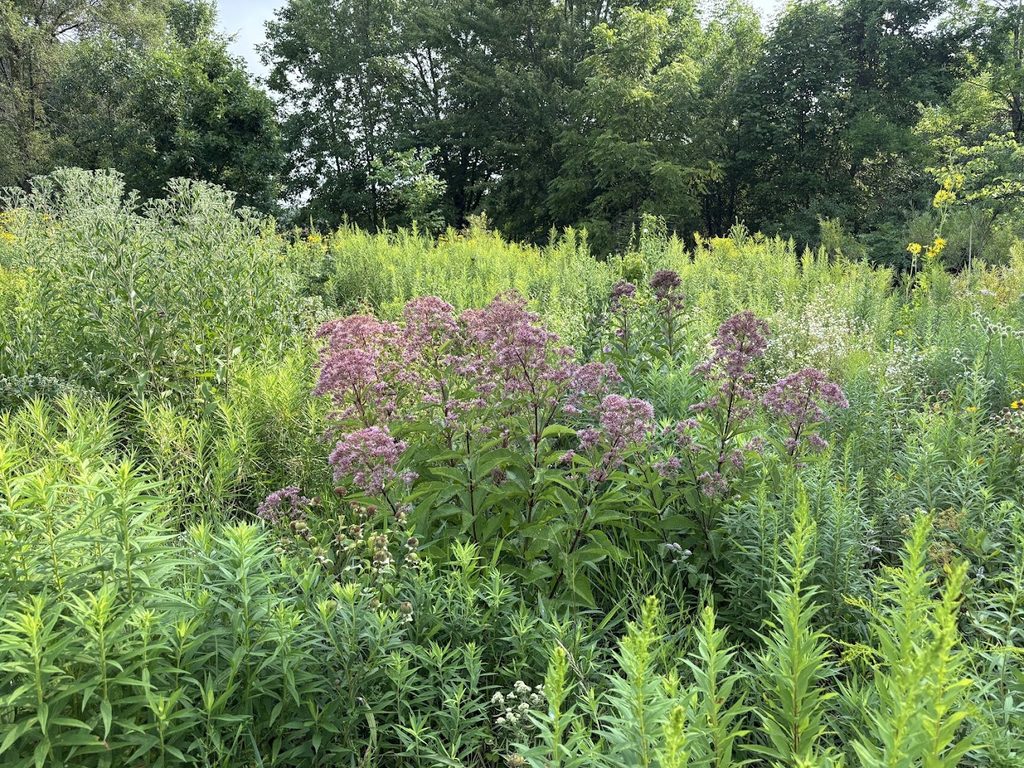
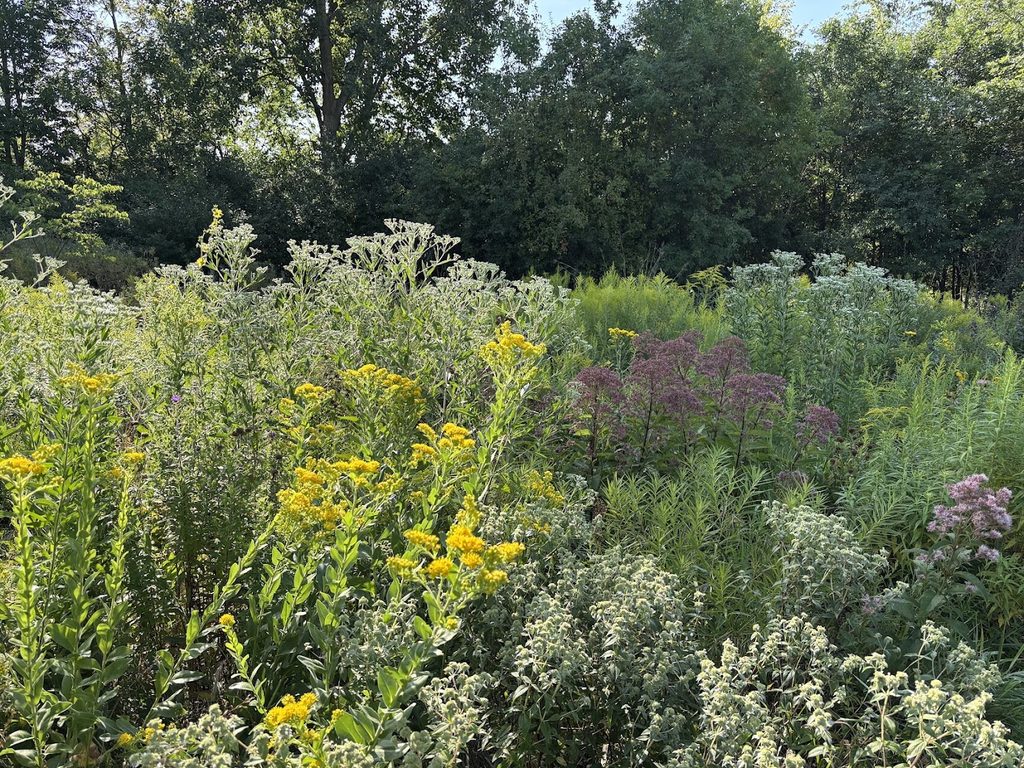
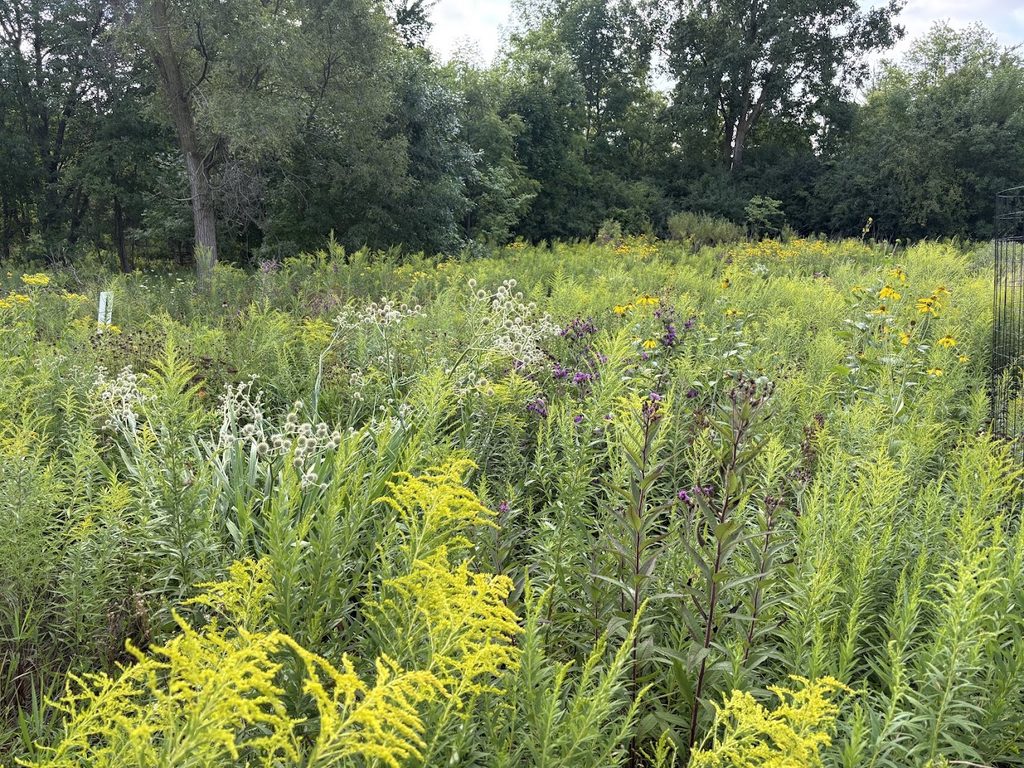
In the heat of August, even more wildflowers flourish, among them Joe-Pye weed, brown-eyed Susan, and boneset. Native sunflowers and goldenrods start to show color, adding gold to the garden, and a wide variety of pollinators thrive.
September
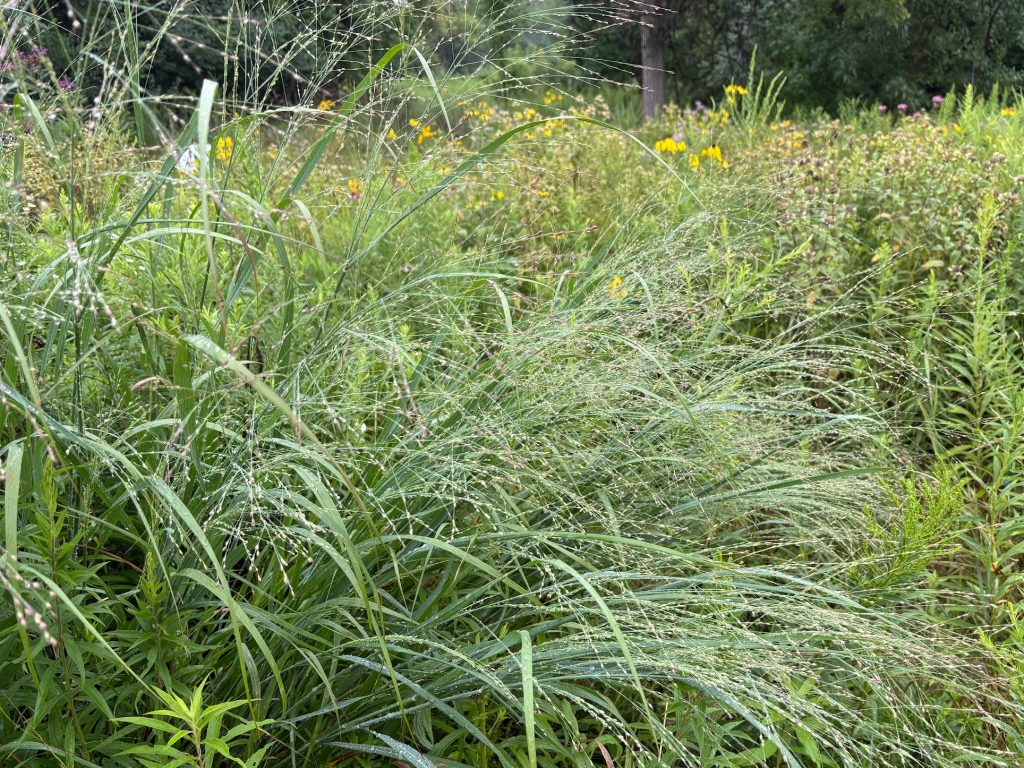
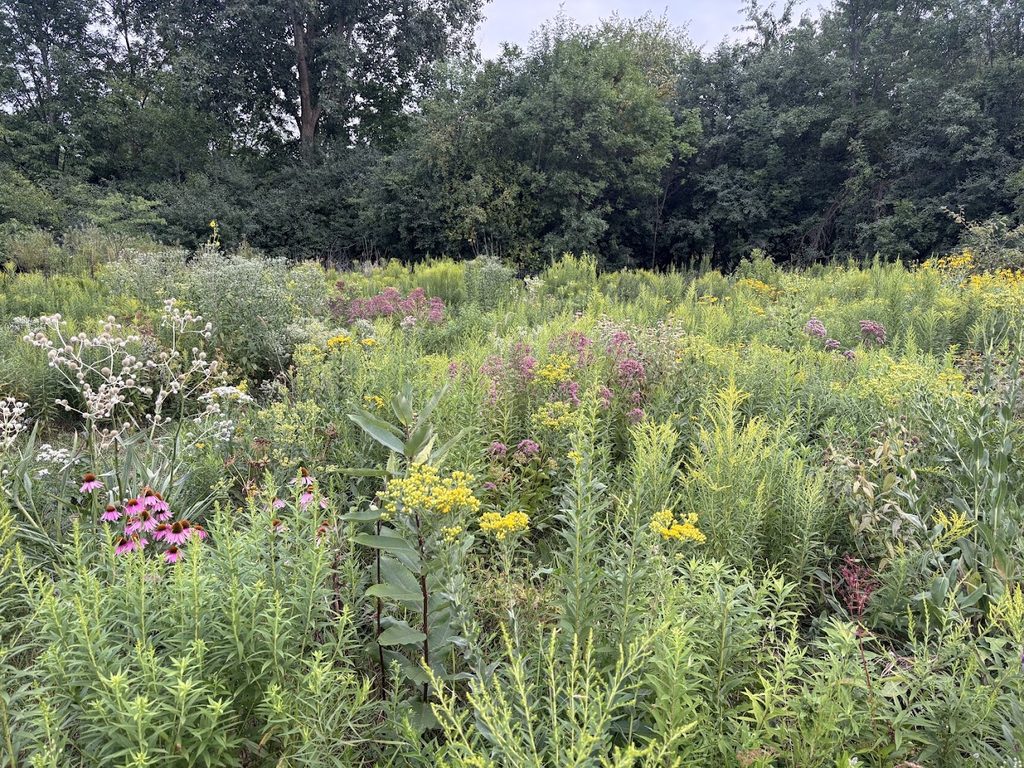
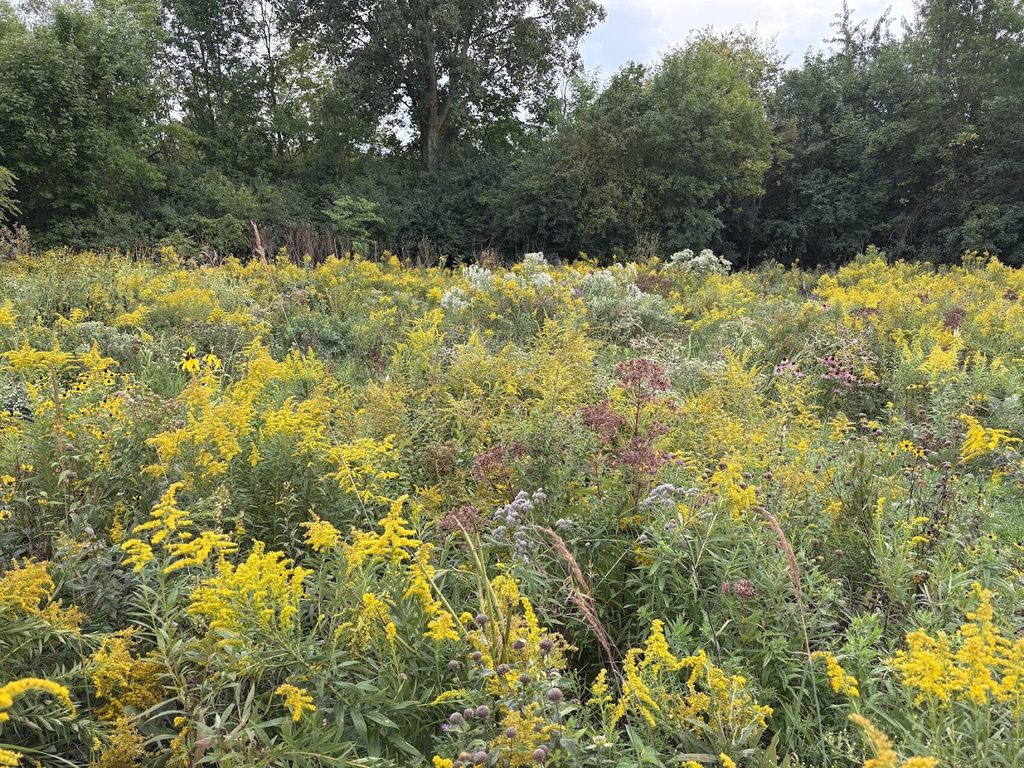
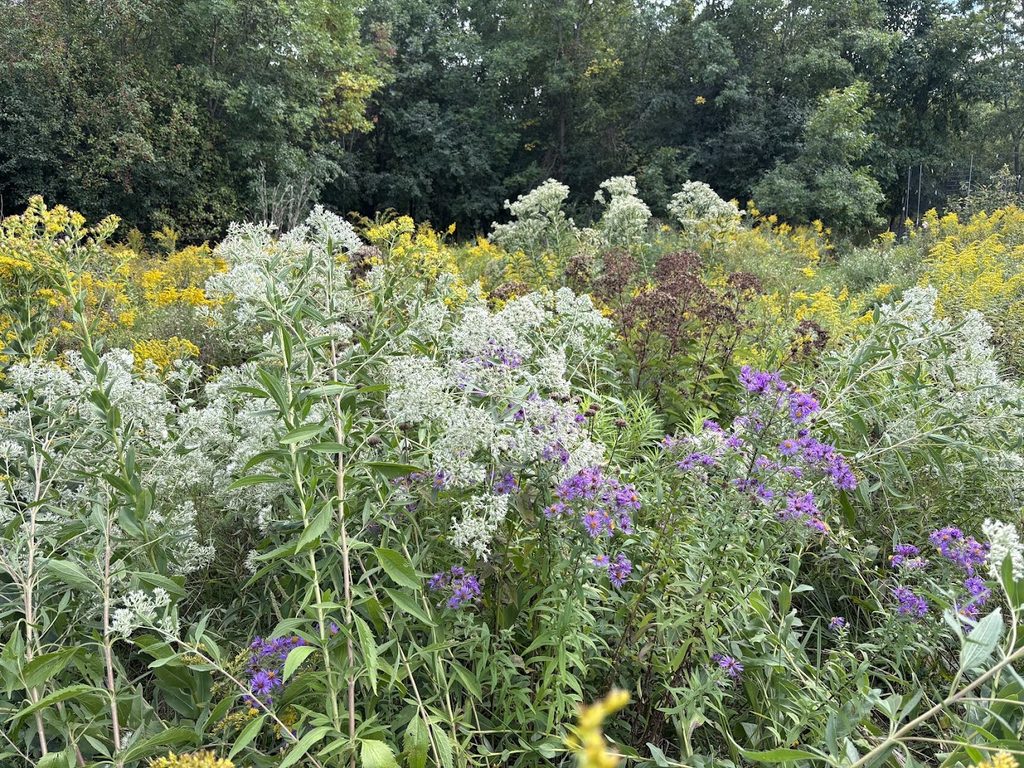
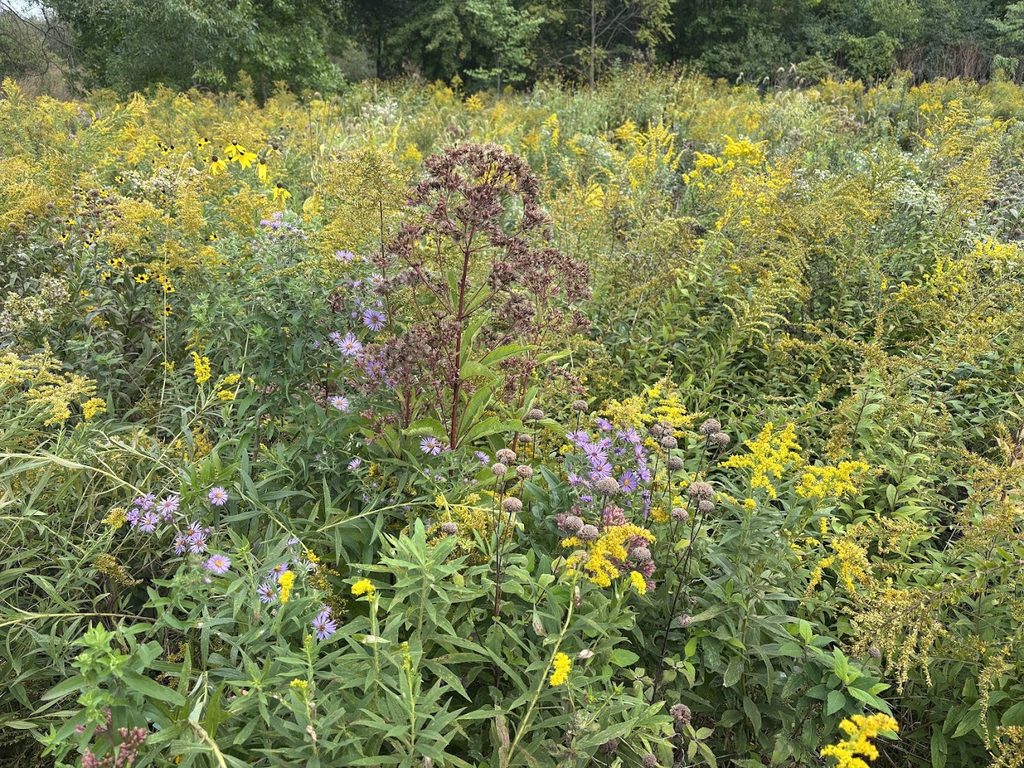
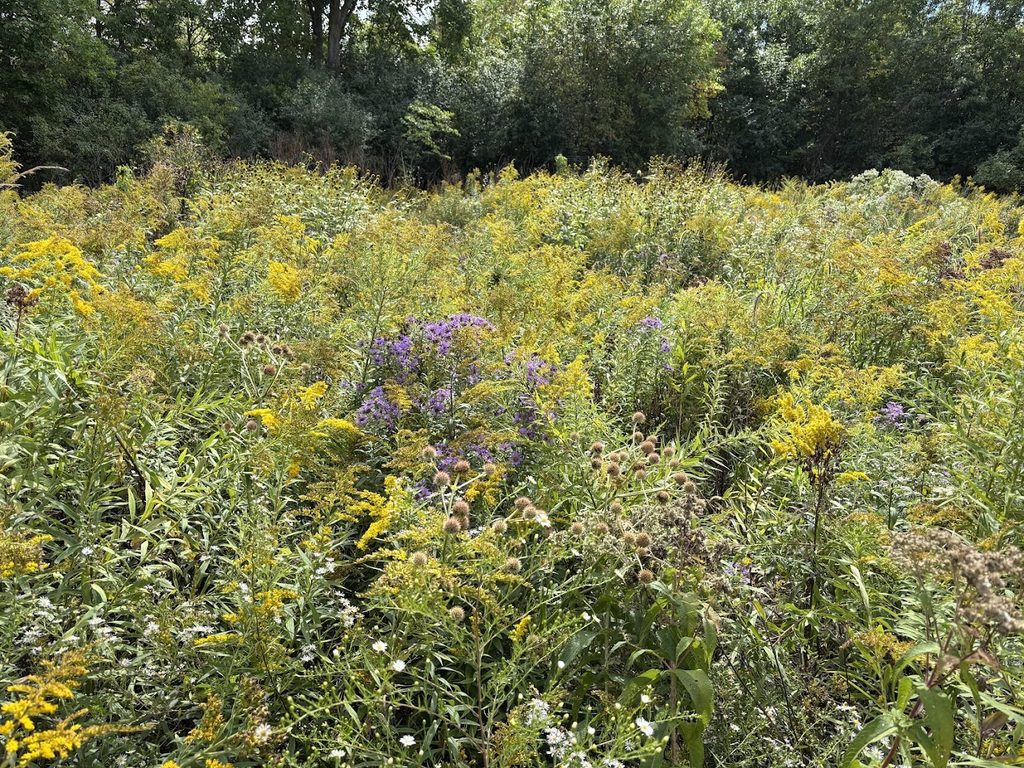
Heat-loving wildflowers and grasses are at their best. Rudbeckias, sneezeweed, native sunflowers, and goldenrods fill the garden with gold and draw many kinds of pollinators. By mid-September, asters add pops of purple. The garden changes every day.
October
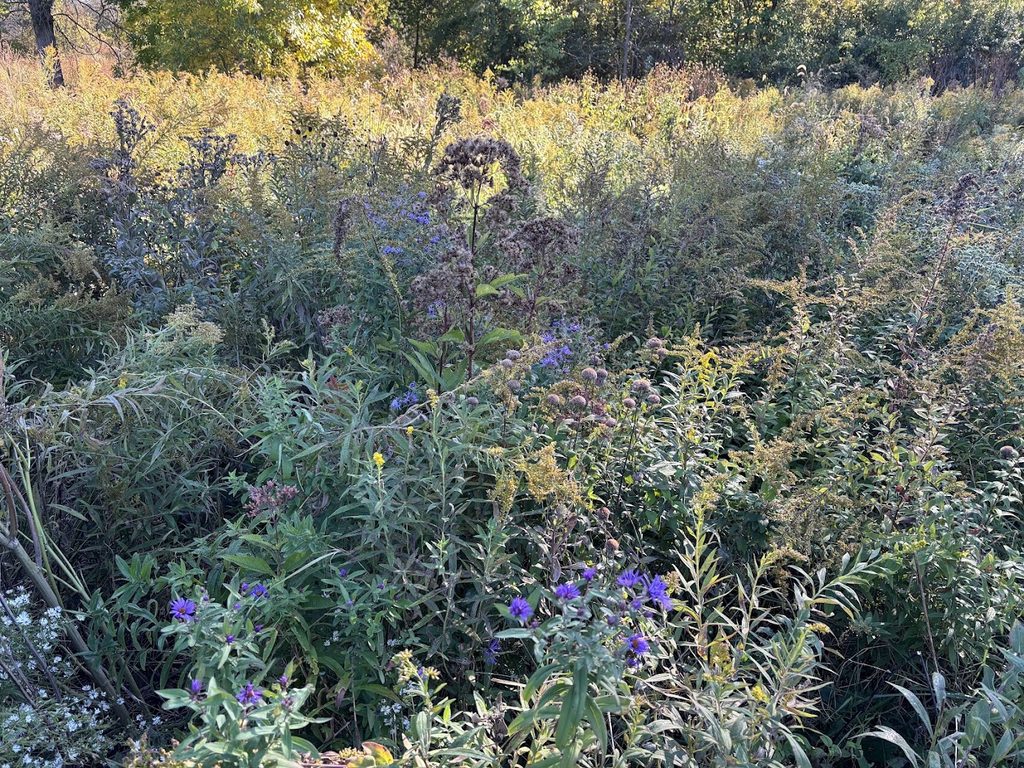
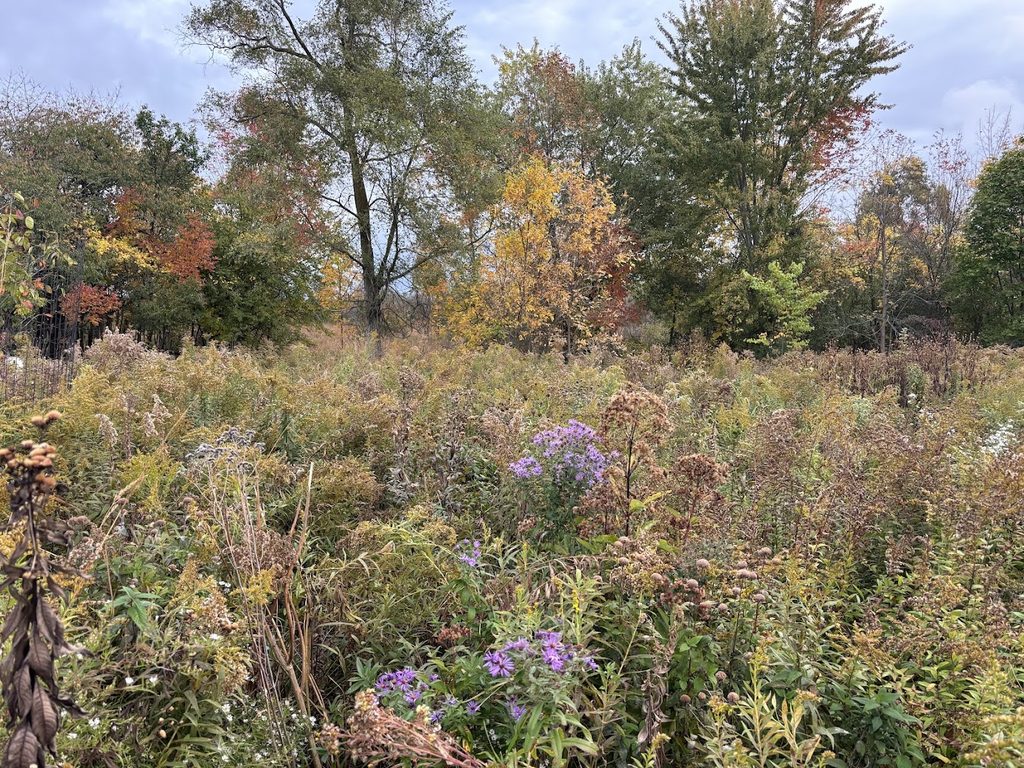
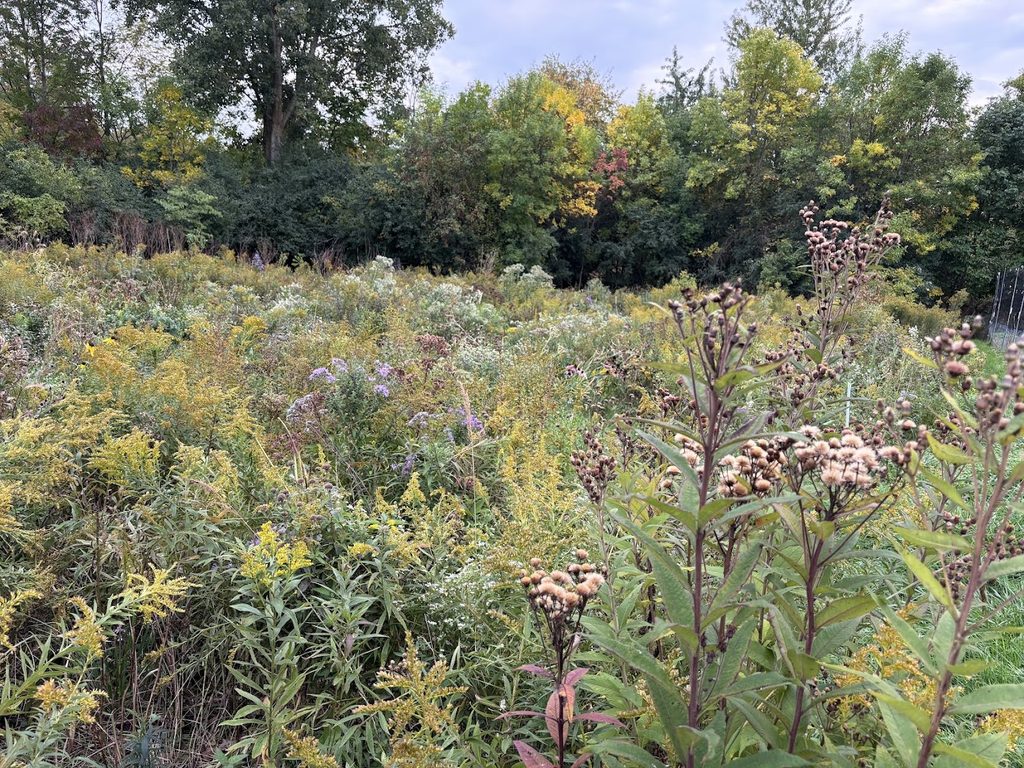
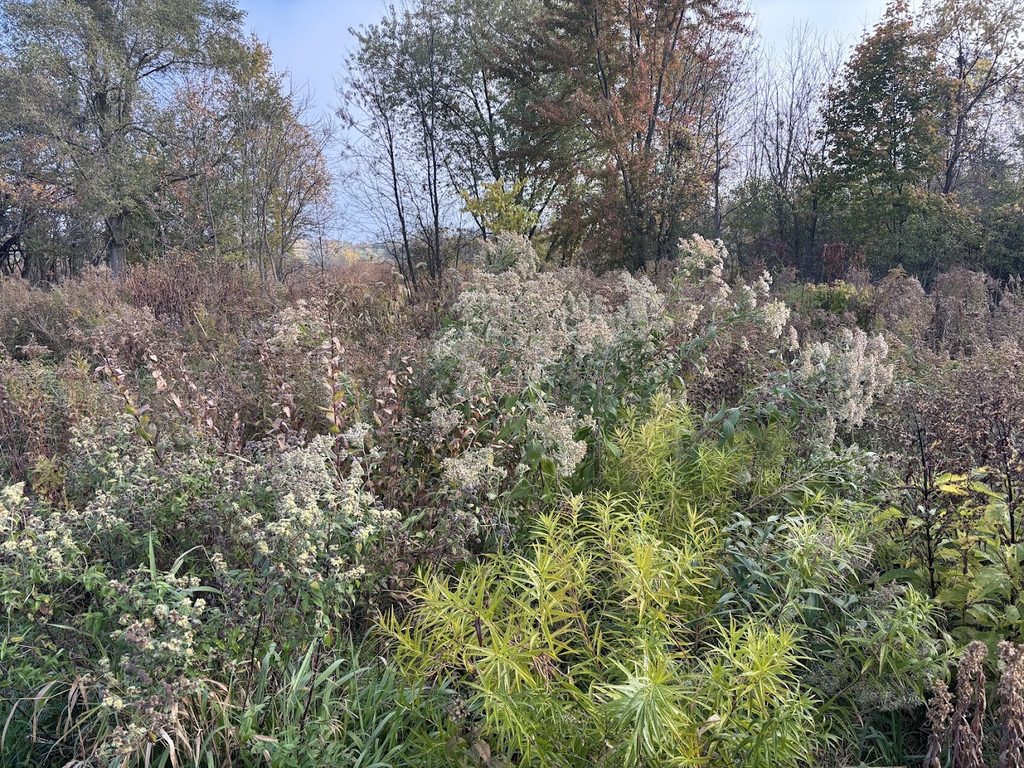
Asters continue to shine, filling the garden with plumes of white and shades of purple. Heath aster, sky-blue aster, and New England aster are among them. Seed heads draw flocks of finches for a feast.
November
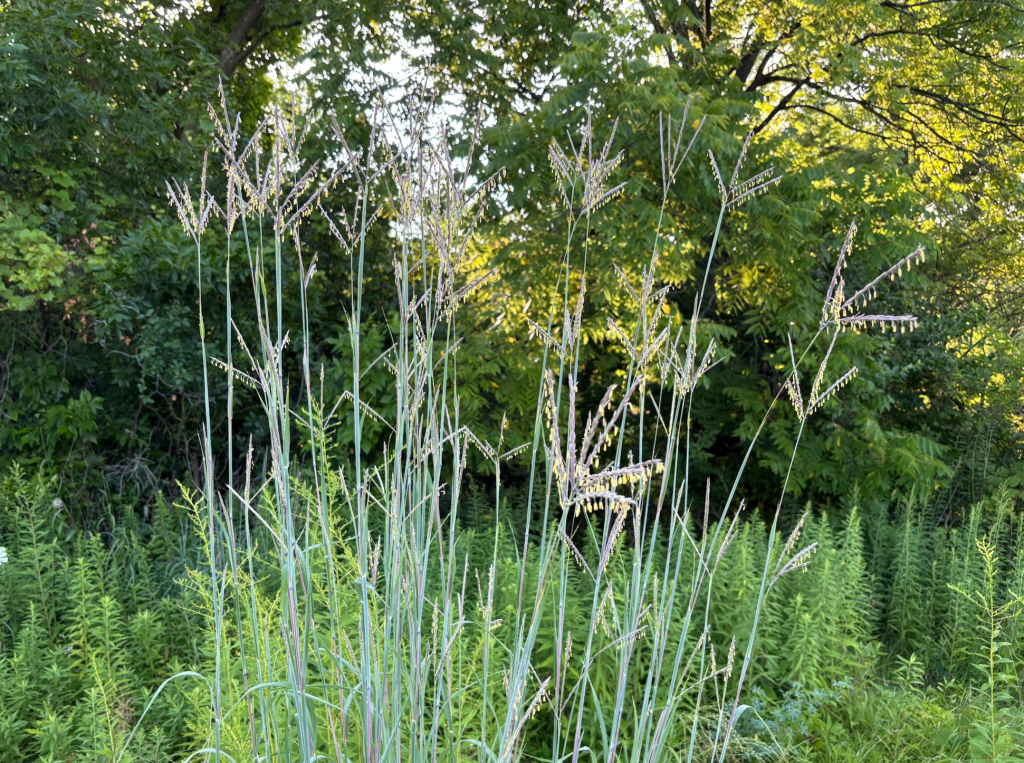
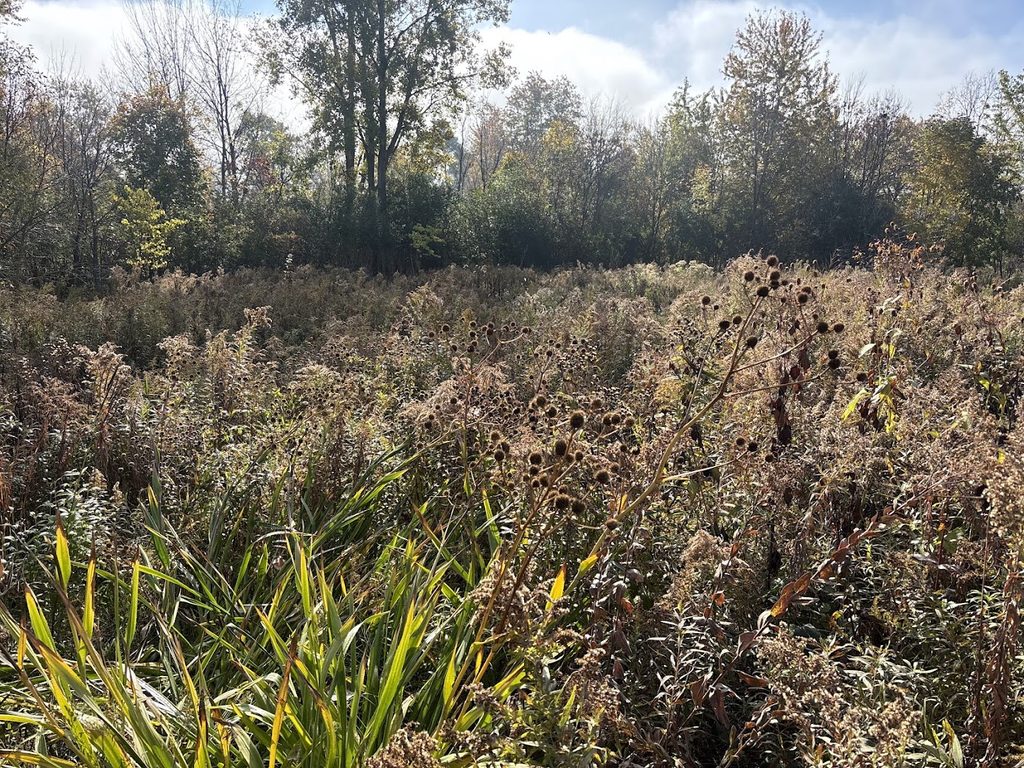
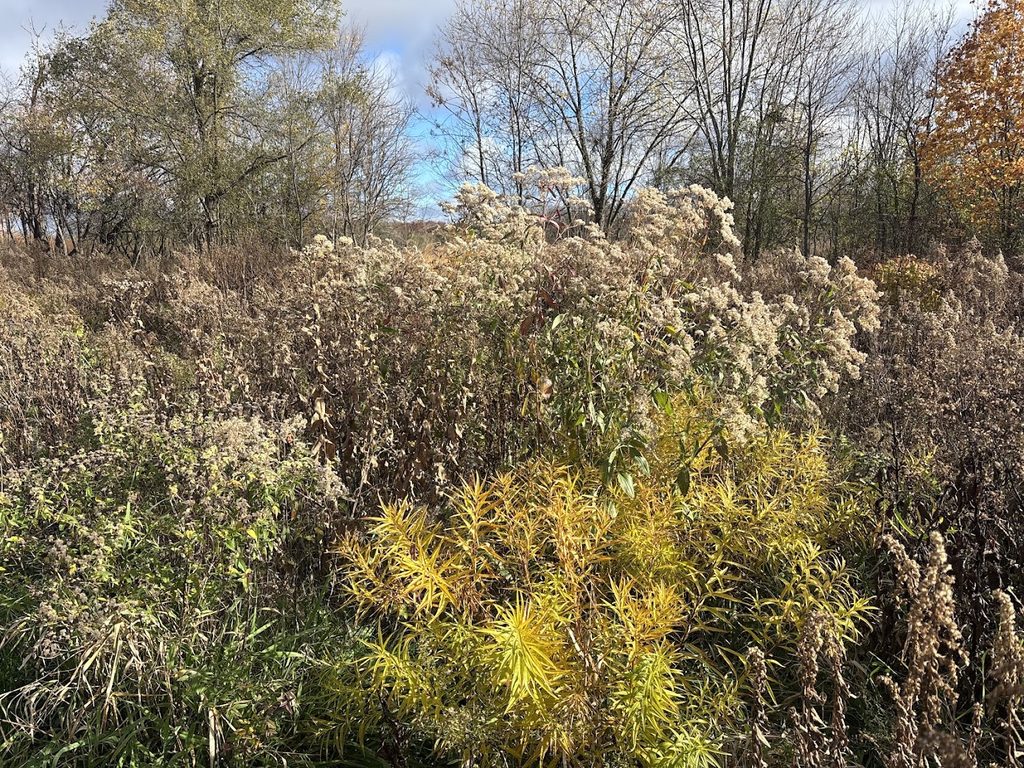
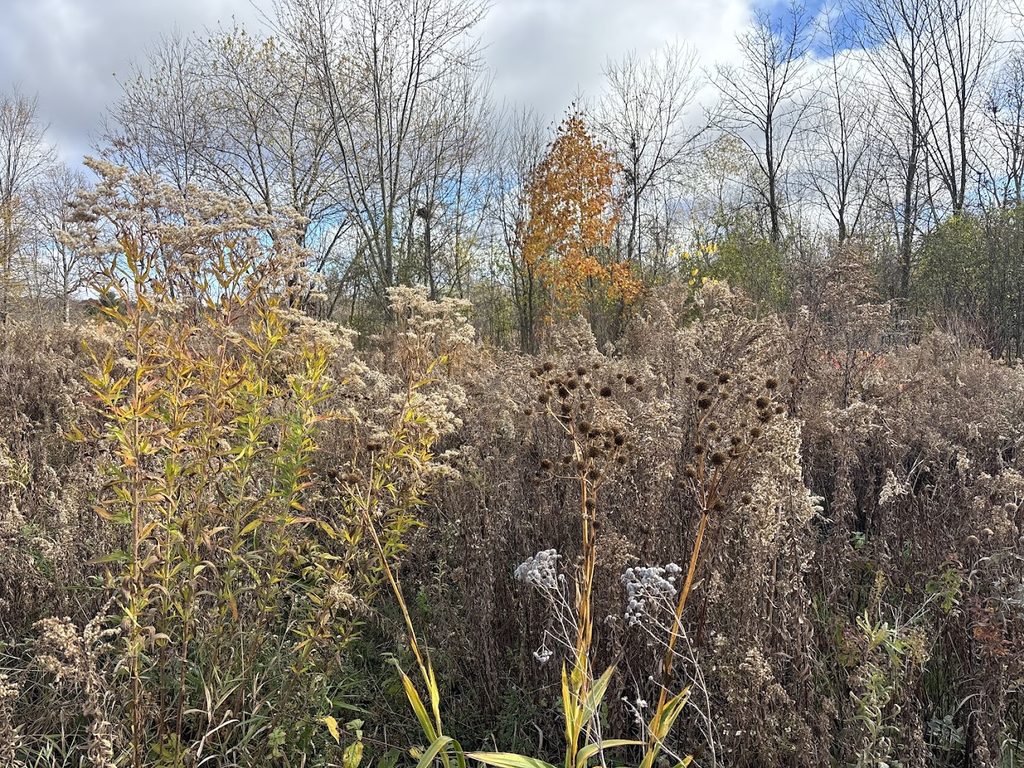
As temperatures cool, foliage turns vibrant shades of fall color, while seed heads and grass plumes add texture and interest.
Winter
Seed heads and grasses continue to add texture through the winter months, especially when lightly dusted with snow.

Pollinator Garden Plants
Here’s a list of native plants you can find in the Greenview Pollinator Garden. Each one links to more information from the University of Michigan Herbarium.