
The nature area changes with each season. Here’s what you can see and experience in Greenview throughout the year.
Spring brings the nature area to life, with signs of the season found throughout the landscape. In Pioneer Woods, woodland spring ephemerals like trout lilies, spring beauty, wild geranium, and Jack-in-the-pulpit make their brief but beautiful appearance.


The meadow wakes more slowly, but among the emerging prairie grasses, you can spot some of the earliest wildflowers, such as pussytoes, strawberries, violets, and fleabane. In areas recently treated with a prescribed burn, fresh green growth is appearing. These early blooms are important for pollinators emerging in spring.
The pond area also serves as important habitat for migrating and nesting birds and provides a home for frogs and toads.
Listen to birdsong recorded near the pond in spring, featuring Northern Flicker, Red-winged Blackbird, Northern Cardinal, Song Sparrow, American Robin, and Red-bellied Woodpecker:
As temperatures warm in late spring and early summer, the nature area transforms with a profusion of wildflowers. In early summer, blooms like Common Milkweed, Swamp Milkweed, Butterfly Weed, wild roses, bergamot, Mountain Mint, foxglove, and many others brighten the meadows at Greenview. These flowers attract a wide variety of pollinators, including butterflies and native bees.


In the heat of the summer, a variety of wildflowers and grasses thrive, from the golden hues of goldenrods to the purples and yellows of coneflowers and Ironweed. Bees, beetles, and wasps visit the blooms, and prairie grasses such as Big Bluestem, Indian Grass, Little Bluestem, and Switchgrass offer shelter for birds and other wildlife.


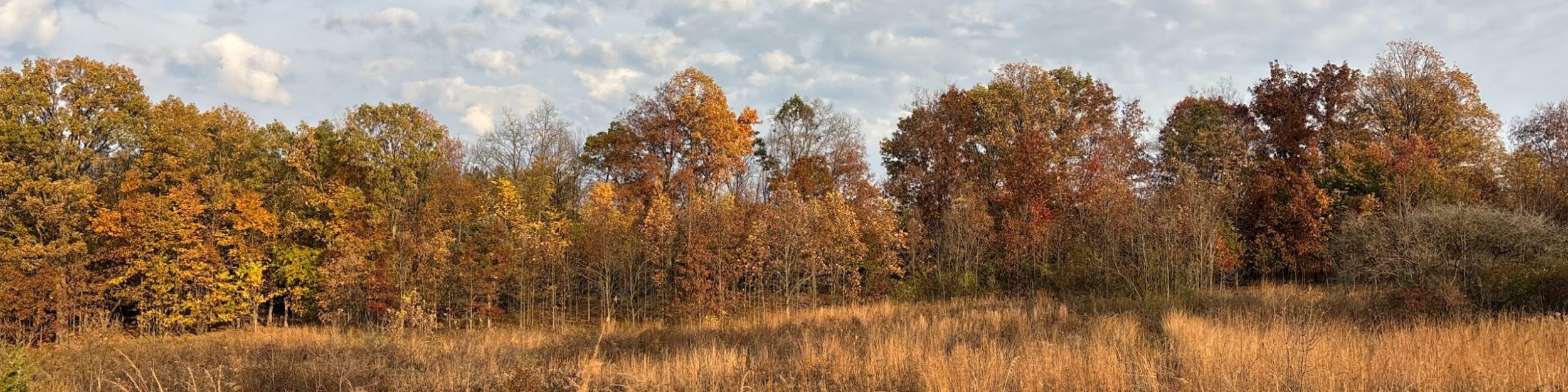
As fall sets in, asters brighten the landscape with clusters of white, blue, and purple blooms. They provide essential food for insects and are especially popular with butterflies, including migrating monarchs. In the nearby Pioneer Woods, fall brings beautiful colors, with oaks, hickories, and maples showing off shades of amber, gold, and deep red.


As cooler temperatures settle in, the landscape’s colors soften, but prairie grasses and native flower seed heads continue to add interest and texture. They also offer essential food and shelter for wildlife.


Grasses and seed pods, lightly dusted with snow or encased in ice, bring a unique charm to the snowy landscape at the nature area. As winter deepens and the pond freezes, it transforms into a lively hub, welcoming neighborhood ice skaters to its surface.


